EN
EN



Auto-Update Firmware
Supports over-the-air (OTA) firmware updates to add new measurement features or improve device performance without requiring physical access to the hardware.
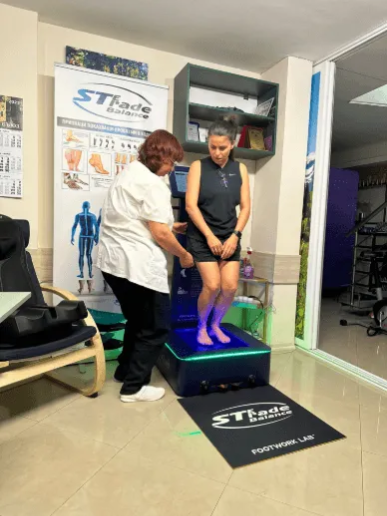
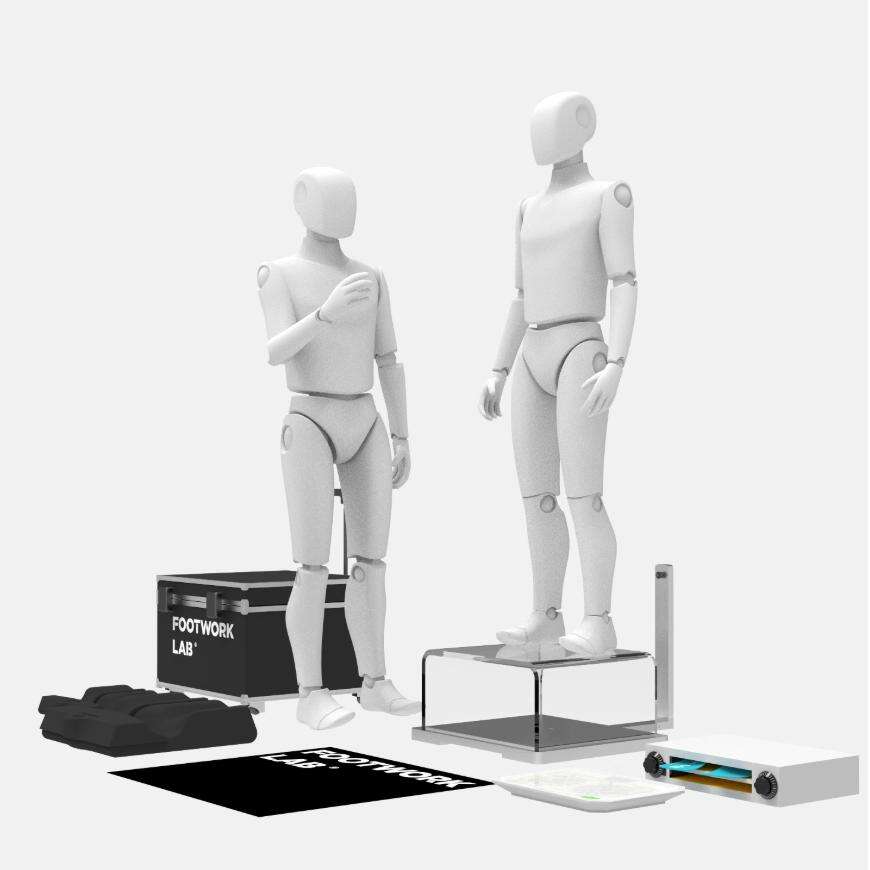
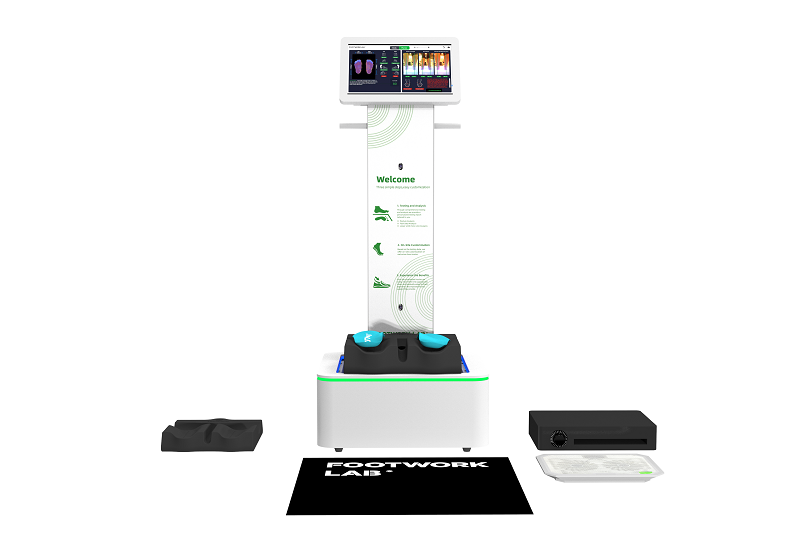
Foot measurement entails assessing the foot's dimensions such as length, breadth, height of the arch, and toe orientation, with the help of simple tools like calipers or more sophisticated ones like 3D scanners. These measurements are crucial for custom fitting footwear, having more than 95% accuracy in custom shoe production. In a medical setting, foot measurement can assist in diagnosing hallux valgus by determining the degree of toe deviation or measuring the collapse of the arch in flat foot deformities. Digital measuring instruments interfaced with CAD software allow designers to create adjustable foot models to the standards of custom fit requirements. This particular design helps with mass customization with preset adjustments for swelling or bone prominence. The process even assists with retail stock control by detecting demographic and regional trends in foot measurements, such as the wider prevalence of broad feet in certain populations, optimizing stock and minimizing waste.
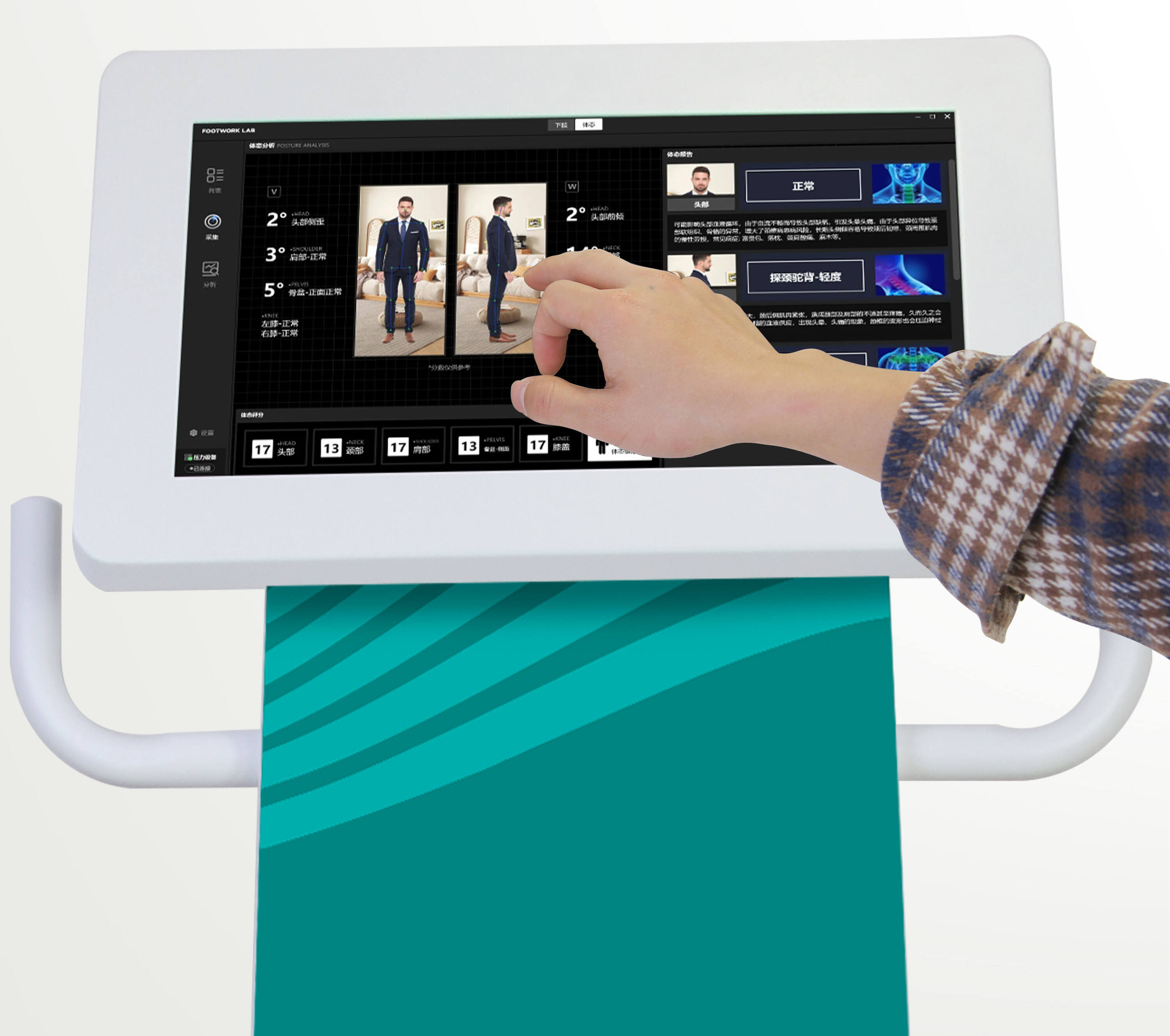

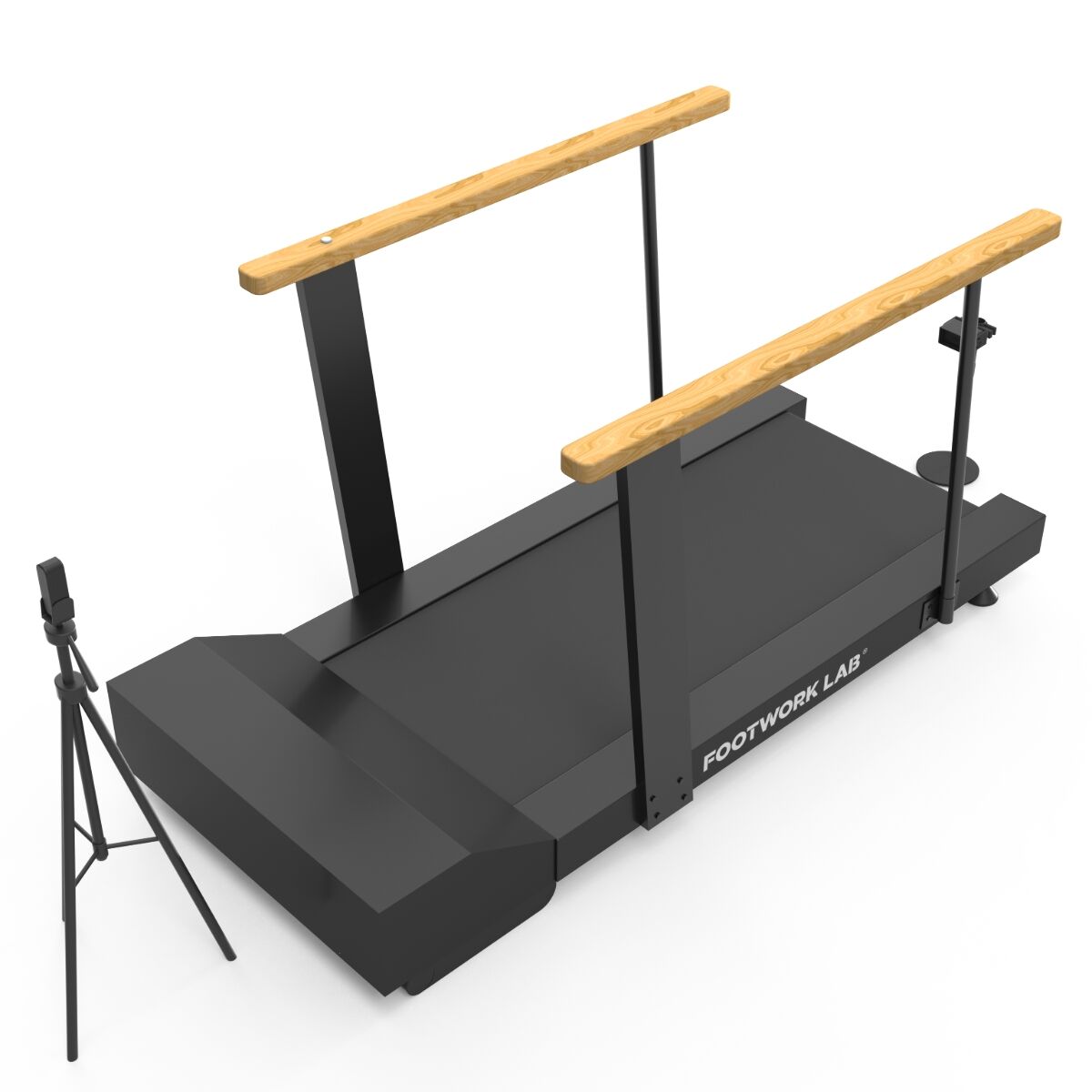
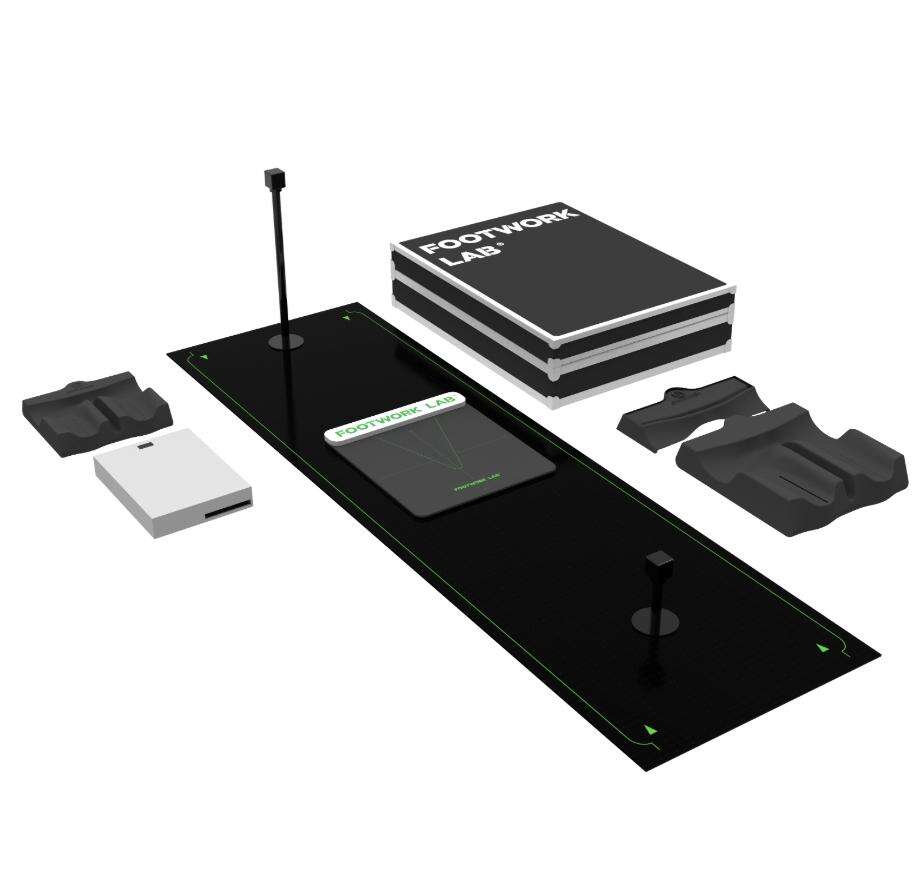
FOOTWORK LAB provides intelligent foot equipment and customized orthotic insoles with AI-driven detection. Our patented technology offers accurate, scalable solutions for global clients. Visit us today.