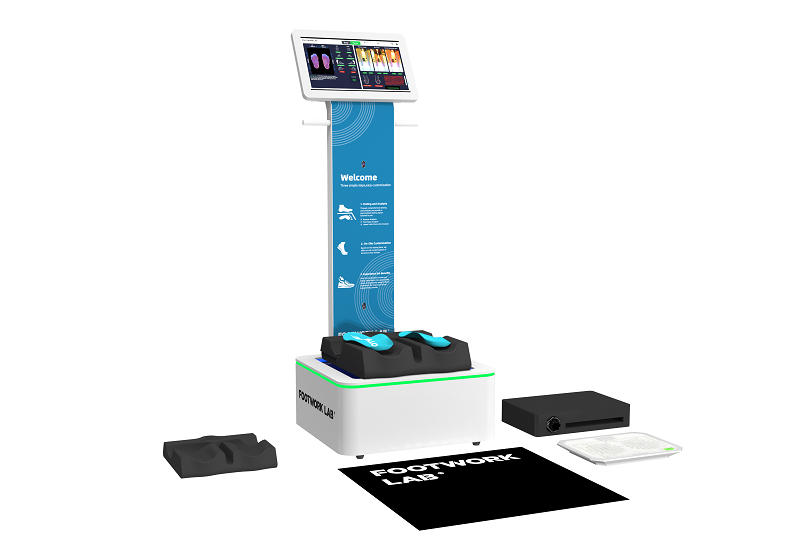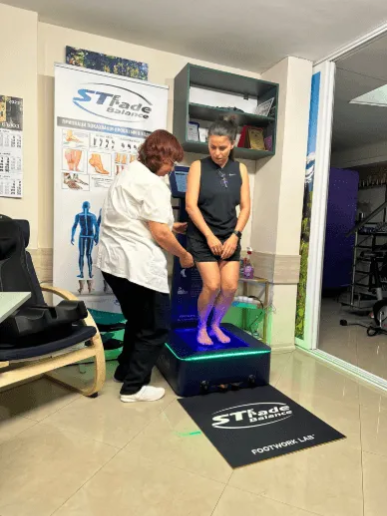
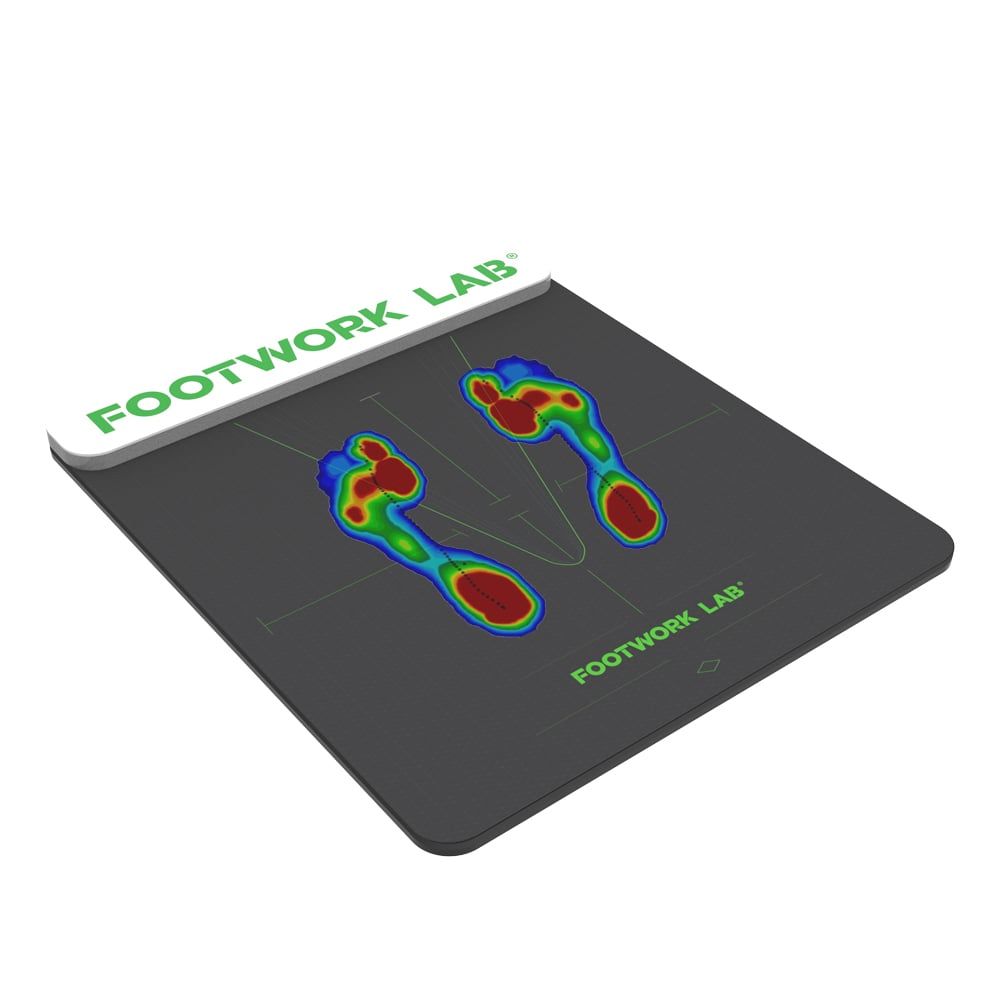
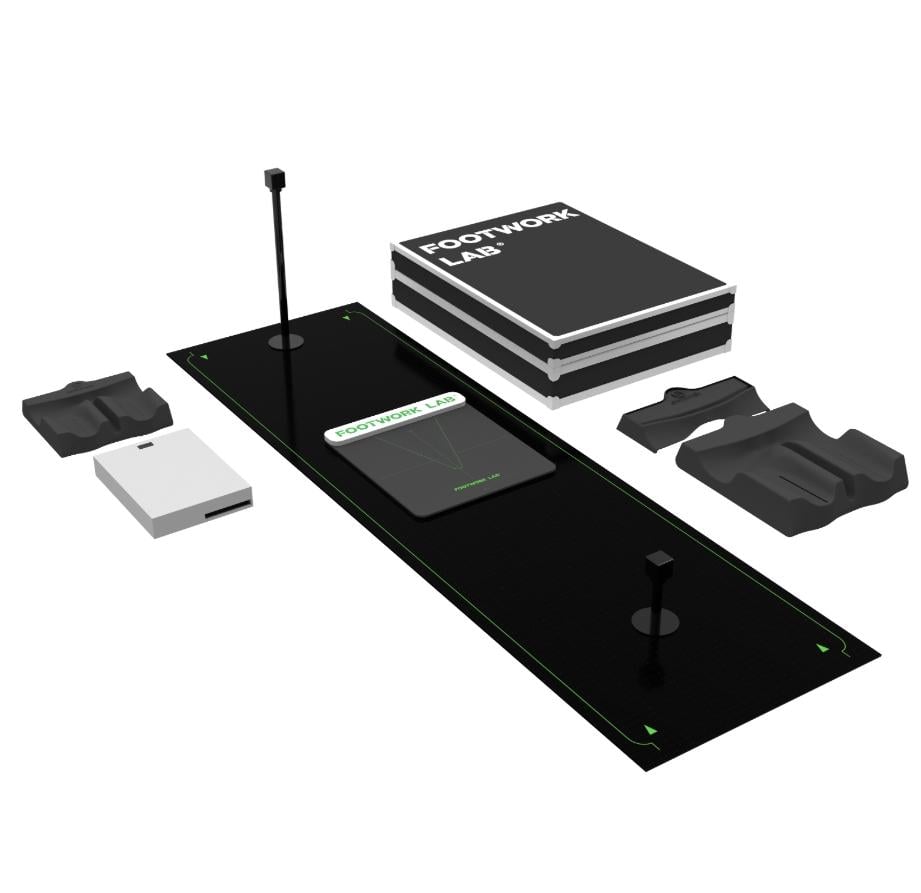
Advanced Foot Pressure Measurement Solutions for Optimal Foot Health

Get a Free Quote

Our representative will contact you soon.
Email
Mobile/WhatsApp
Name
Company Name
Message
0/1000

Essential Foot Pressure Measurement for Foot Health

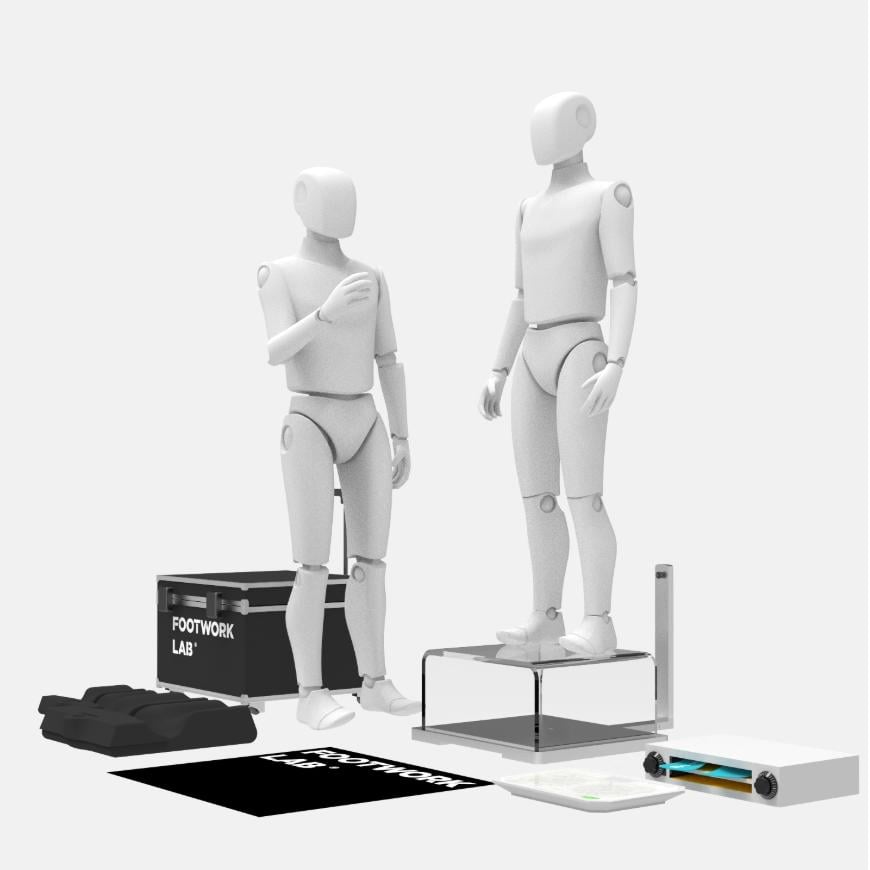
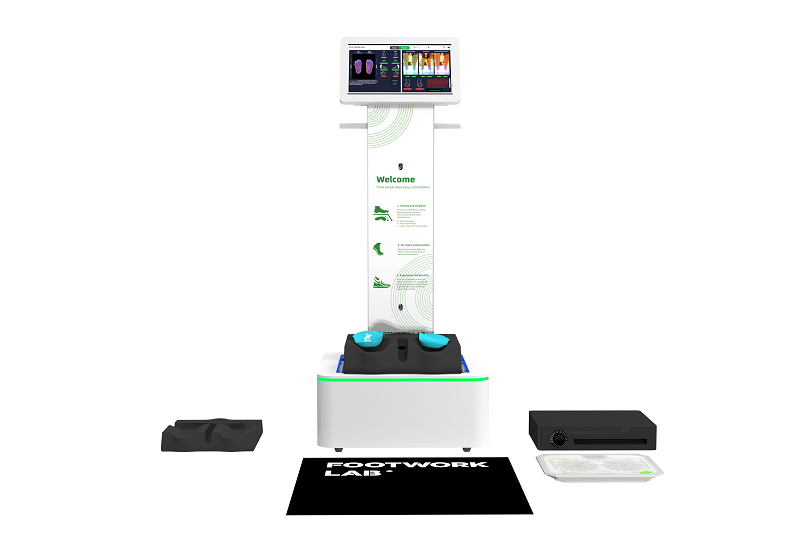
Foot pressure is a key indicator in our technological innovation. Through devices like the pressure plate, we can precisely measure foot pressure, including plantar pressure. This data is then used for in-depth foot pressure analysis and plantar pressure analysis. Understanding foot pressure helps in assessing foot health, detecting potential issues, and is integral to our foot correction solutions. It enables us to provide personalized foot correction plans based on the pressure data collected, ensuring our products and services are tailored to each customer's needs.
Get A Quote

Advantages

Medical-Grade Measurement Accuracy

Utilizing high-density pressure sensor arrays (over 1,000 sensors per square meter), our foot pressure measurement system provides clinically validated data for diagnosing plantar fasciitis, flat feet, and other pathological conditions.

Dynamic Real-Time Monitoring

Supports continuous pressure tracking during walking or standing, capturing transient pressure peaks and distribution changes to assess foot function in real-world scenarios.

Multi-Parameter Analysis Capability

In addition to peak pressure values, the system calculates pressure-time integrals, contact area ratios, and center of pressure trajectory, offering comprehensive insights for biomechanical research and product optimization.

Related products

The treatment of foot pressure imbalance refers to the use of orthotics, physical therapy, and specialized footwear to correct unequal pressure distribution between or within the feet. Side to side imbalances due to leg length discrepancies or spinal issues usually require some form of pressure equalization, and therapy may include the use of heel lifts or wedges in custom insoles. With intra foot imbalances like forefoot excessive pressure due to high arches, redistribution of force can be accomplished with the use of metatarsal pads or cushioned insoles. Physical therapy aims at muscle strengthening of the underactive ones such as the tibialis posterior for flat feet active deformities, which improves biomechanical alignment, while retraining the gait helps in emplacing balance in the way patients move. In more severe cases, repetitive surgical procedures like osteotomy may be undertaken to correct the imbalanced pressure resulting from the structural abnormalities beyond functional boundaries. Regular re-evaluations of the pressure measurements allow treatment retargeting using primary benchmarks to maximize procedure tailored flexible care strategies.

Frequently Asked Questions

What is the significance of foot pressure measurement?

Foot pressure measurement is critical for evaluating foot health, detecting abnormalities like uneven pressure distribution, and guiding personalized correction plans. Data from pressure plates and sensors help diagnose conditions such as plantar fasciitis and optimize orthotic insole designs for improved comfort and support.
Foot pressure data is collected using specialized devices like pressure plates and in-shoe sensors, which capture real-time pressure distribution across the foot. This data is then analyzed to identify high-pressure zones, gait issues, or structural abnormalities, forming the basis for targeted interventions.
Yes, by identifying abnormal pressure patterns, foot pressure analysis enables proactive injury prevention. For example, detecting excessive metatarsal pressure can prompt adjustments to footwear or insoles, reducing the risk of blisters, calluses, or stress fractures in athletes and daily users.
Imbalanced foot pressure can contribute to postural issues like knee valgus or spinal misalignment. Analyzing foot pressure helps identify root causes of posture problems, allowing for integrated solutions that combine foot correction with posture rehabilitation for holistic health improvements.
Foot pressure technology is widely used in healthcare (podiatry, orthopedics), sports science, and footwear design. It supports medical diagnostics, athletic performance enhancement, and the development of ergonomic shoes and insoles tailored to individual pressure needs.

Related Articles

Customer Reviews

Emily Zhou
Game-Changer for Shoe Designers

As a footwear designer, the foot pressure data has revolutionized my process. Being able to see where pressure concentrates during walking has allowed me to engineer soles that enhance both comfort and performance. My latest collection received rave reviews for its ergonomic design, thanks to this technology.

Dr. David Lee
Insightful for Rehabilitation Programs

In our physical therapy clinic, the foot pressure system helps us track patient progress objectively. For example, a patient with ankle instability showed improved pressure symmetry after 8 weeks of training, directly linked to reduced pain. The data-driven approach has made our programs more effective and accountable.

Get a Free Quote

Our representative will contact you soon.
Email
Mobile/WhatsApp
Name
Company Name
Message
0/1000
Long-Term Data Storage & Comparison

Long-Term Data Storage & Comparison

Stores historical pressure data with timestamped records, allowing longitudinal analysis of foot health trends and effectiveness of correction interventions over weeks, months, or years.