EN
EN



Data Integration Compatibility
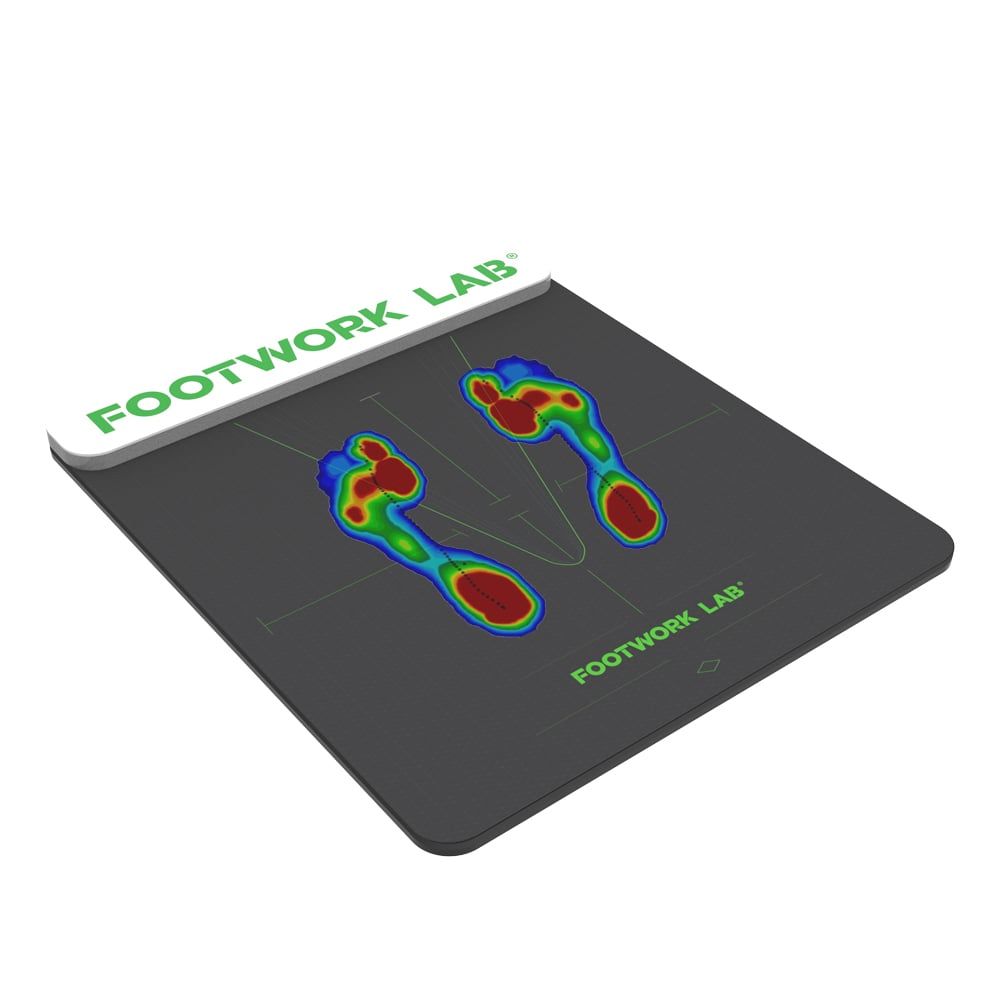
Seamlessly connects with our backend CRM and production management systems, enabling real-time transmission of scanned data to facilitate streamlined order tracking and personalized insole customization workflows.
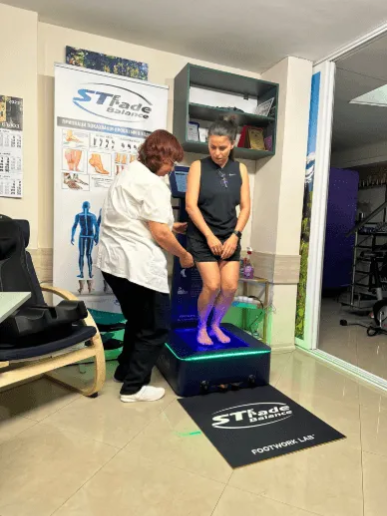
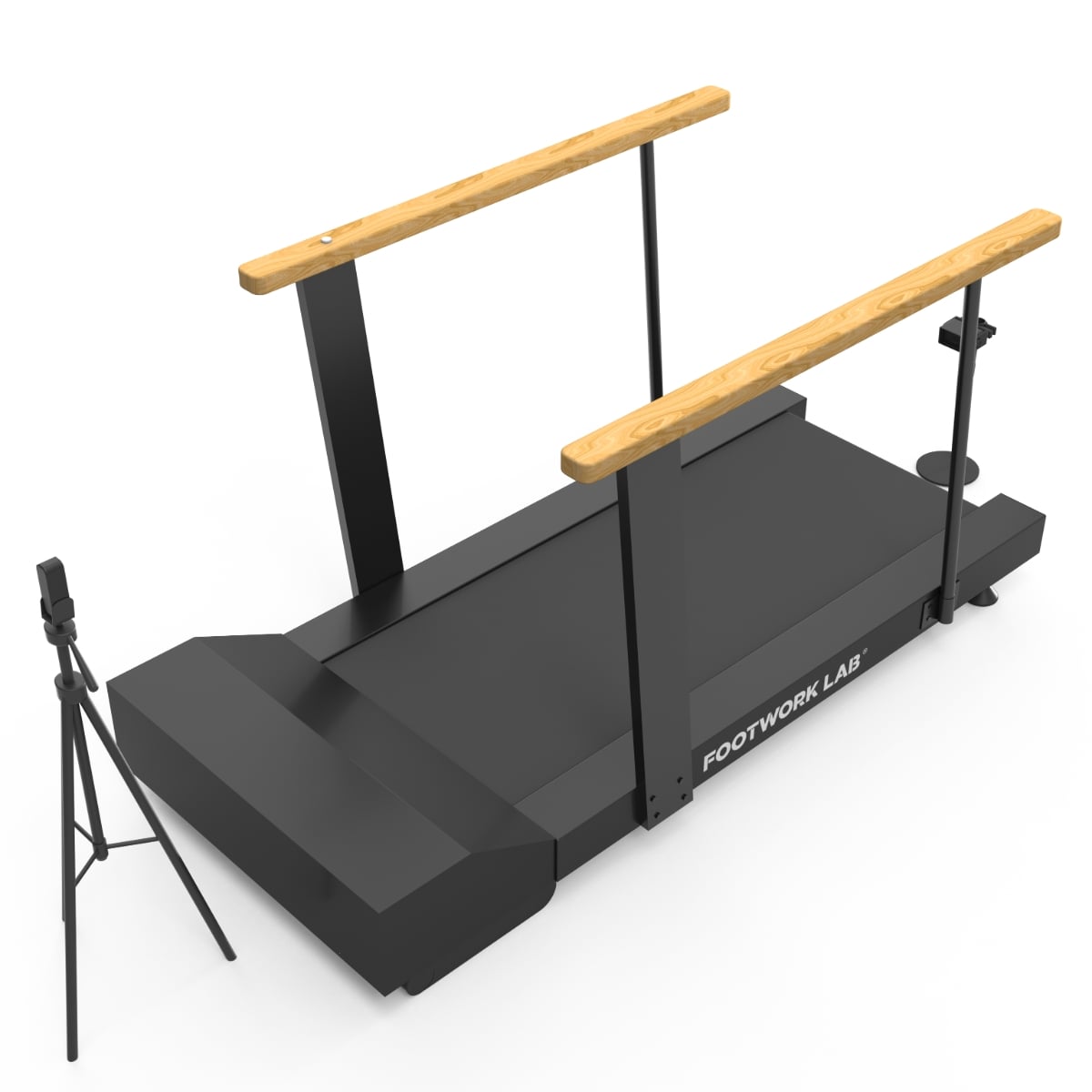
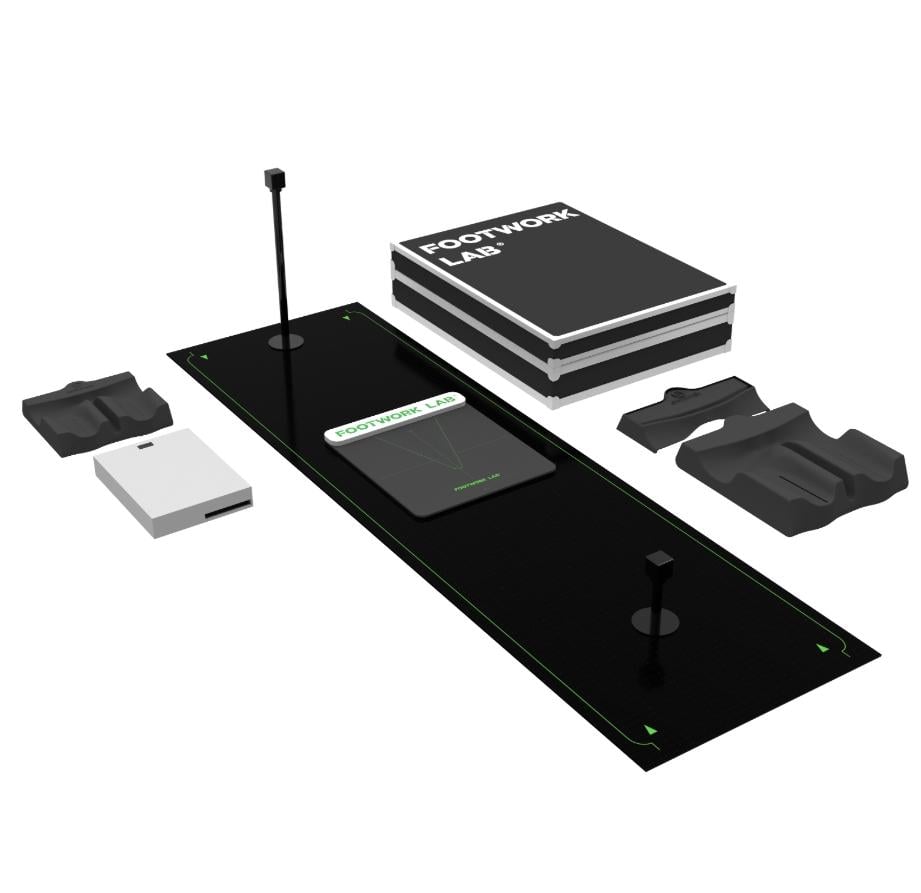
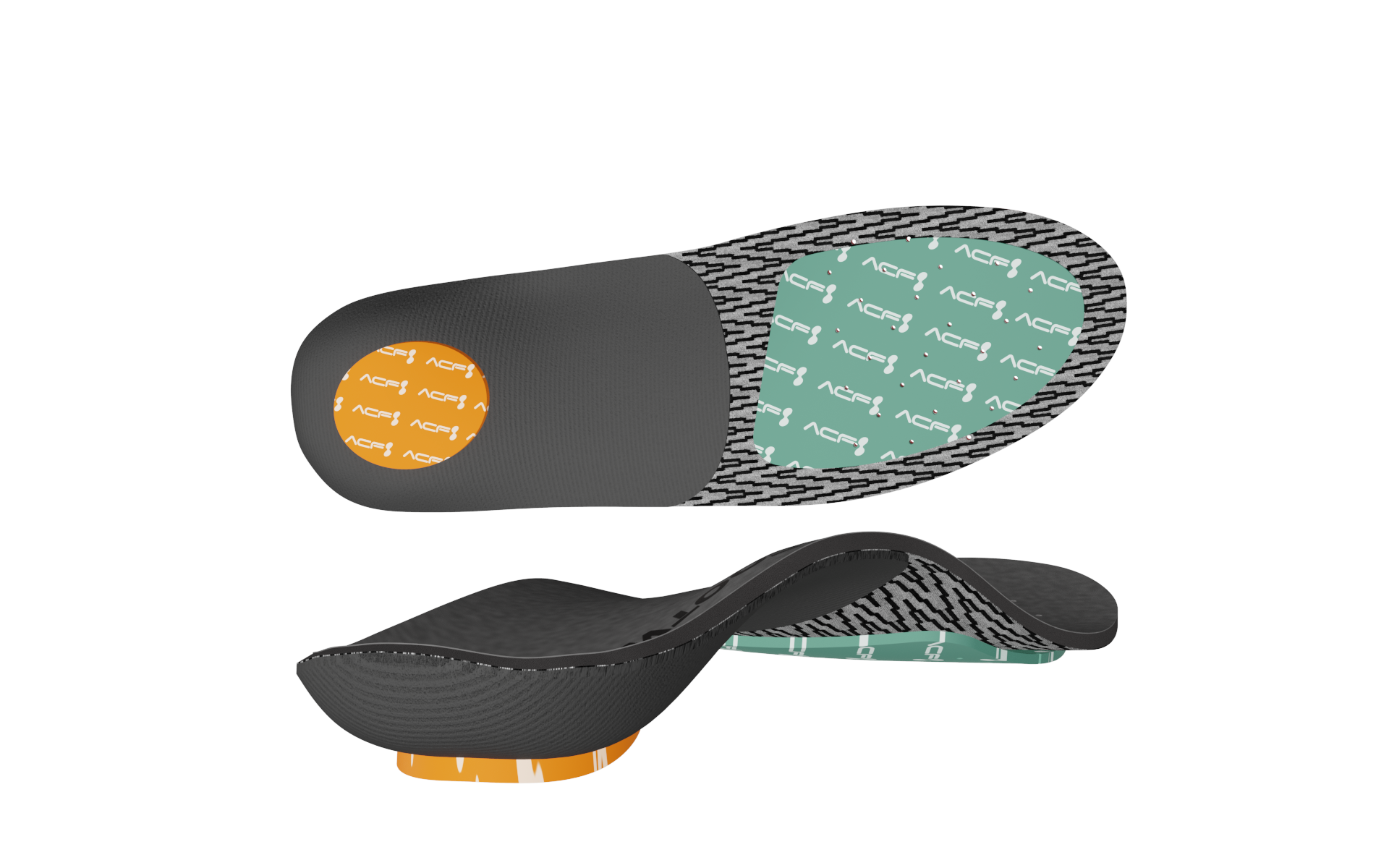
A foot scanner for insoles is a specialized device engineered to capture precise 3D measurements of the foot, focusing on the plantar surface to create custom insoles that match the unique contours and pressure points of an individual’s feet. This technology is pivotal in the production of orthotic insoles, as it ensures the final product provides targeted support, redistributes pressure, and aligns with the foot’s natural biomechanics. Equipped with high-resolution sensors—such as structured light, laser triangulation, or pressure-sensitive arrays—these scanners capture thousands of data points in seconds, mapping details like arch height, heel cup depth, metatarsal head positions, and areas of high pressure during weight-bearing. This level of precision is critical for addressing conditions such as plantar fasciitis, flat feet, overpronation, or diabetic foot sensitivity, where even minor misalignment can cause discomfort or exacerbate issues. The scanning process is non-invasive and efficient, taking 10–30 seconds per foot, making it suitable for clinics, retail stores, or even mobile setups. The resulting 3D model is integrated into CAD software, allowing designers or clinicians to modify the insole design—adjusting arch support, adding cushioning in high-pressure zones, or refining heel stability—based on the scanned data and clinical requirements. For manufacturers, foot scanners for insoles streamline custom production, enabling scalable batch processing of personalized orders while maintaining accuracy. Patients and users benefit from insoles that fit like a second skin, enhancing comfort during daily activities and reducing the risk of foot-related injuries. By bridging technology and biomechanics, these scanners ensure that custom insoles are not just generic solutions but precision-engineered tools for foot health and comfort.
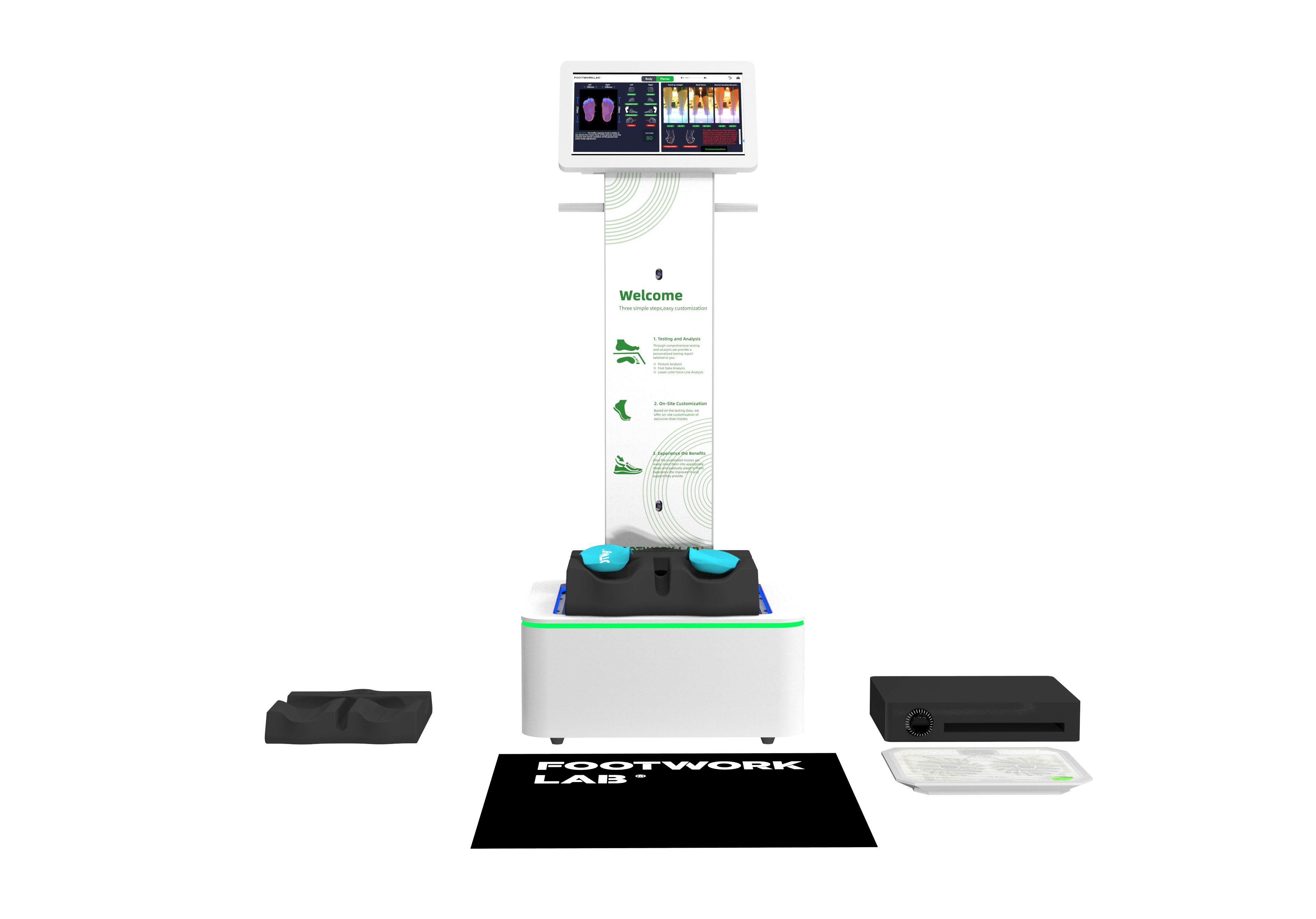

FOOTWORK LAB provides intelligent foot equipment and customized orthotic insoles with AI-driven detection. Our patented technology offers accurate, scalable solutions for global clients. Visit us today.