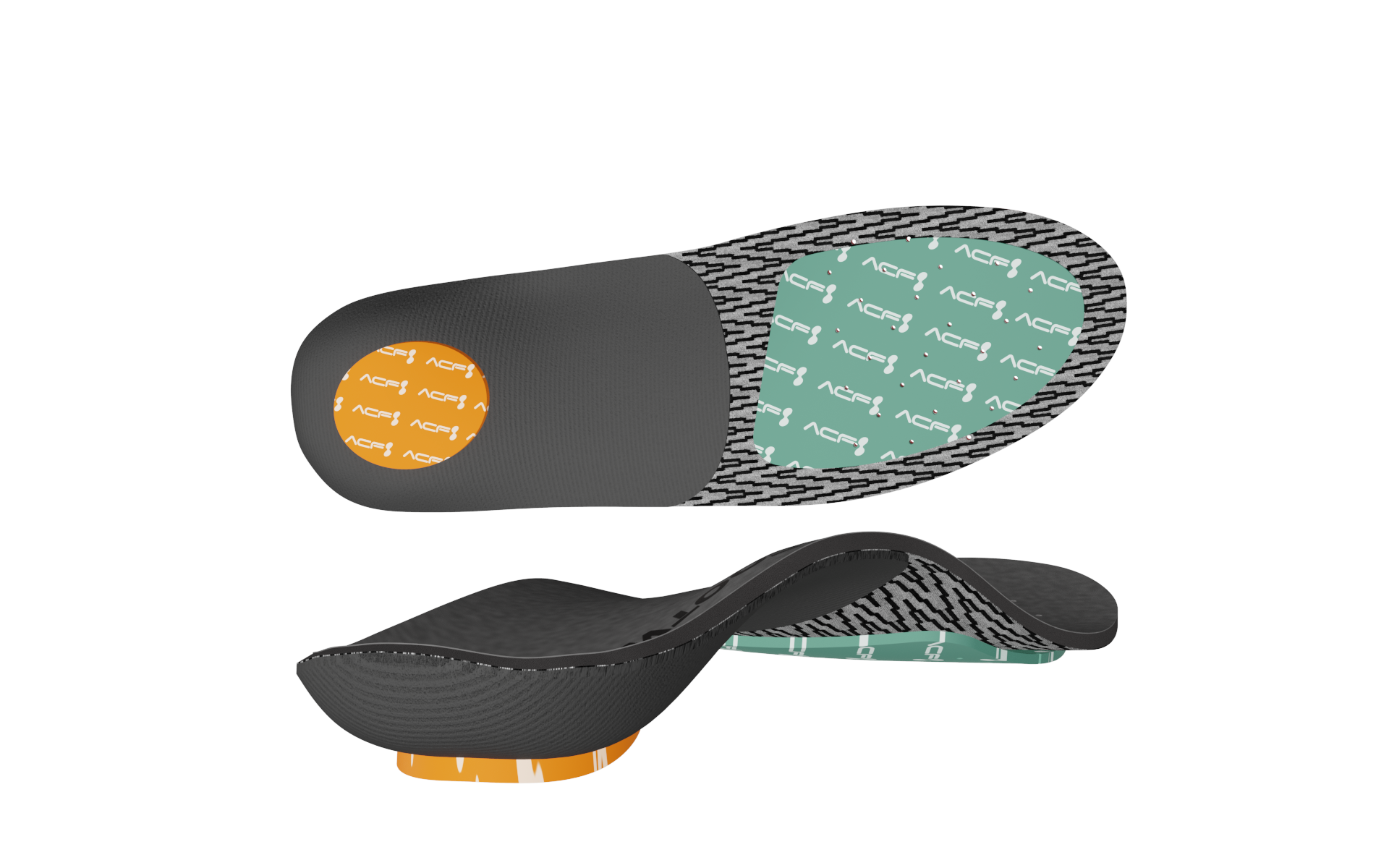
Gait Analysis for Walking: Advanced Foot Assessment Solutions

Get a Free Quote

Our representative will contact you soon.
Email
Mobile/WhatsApp
Name
Company Name
Message
0/1000

Advanced Gait Analysis for Dynamic Foot Assessment

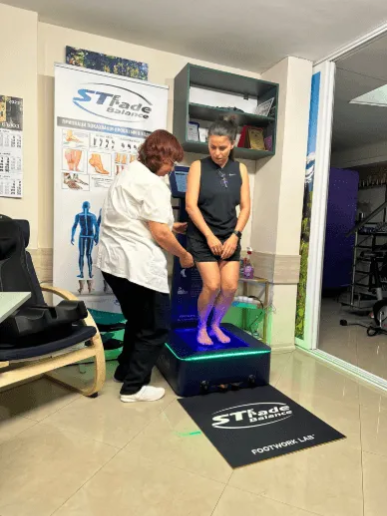
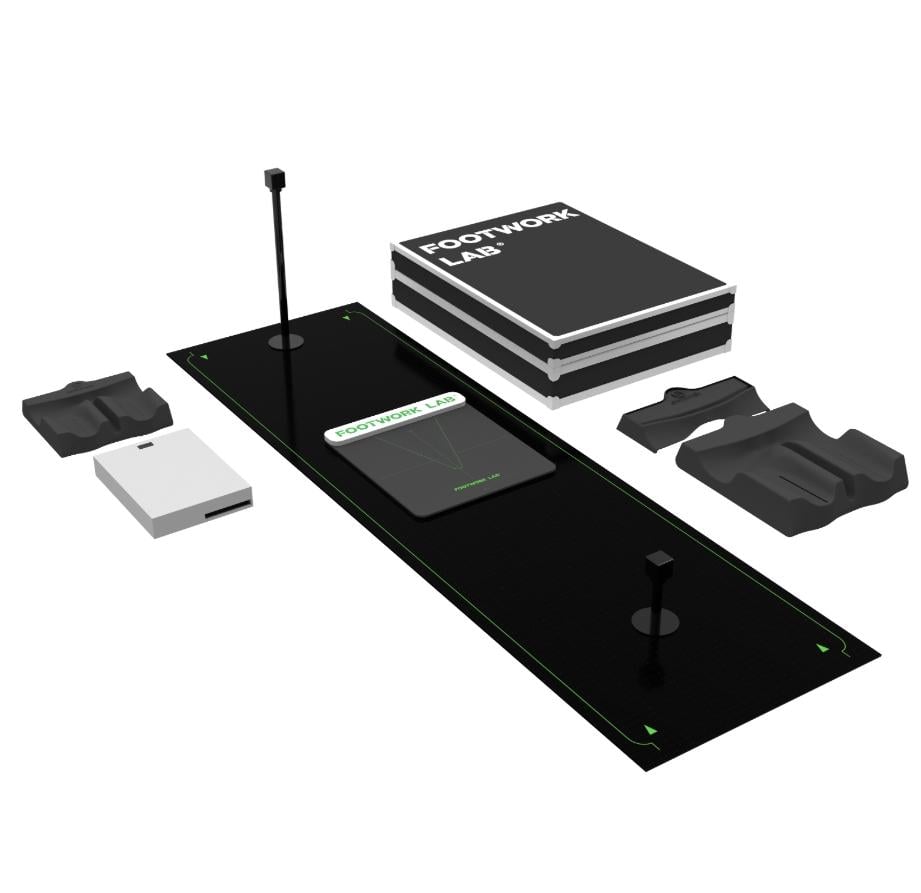
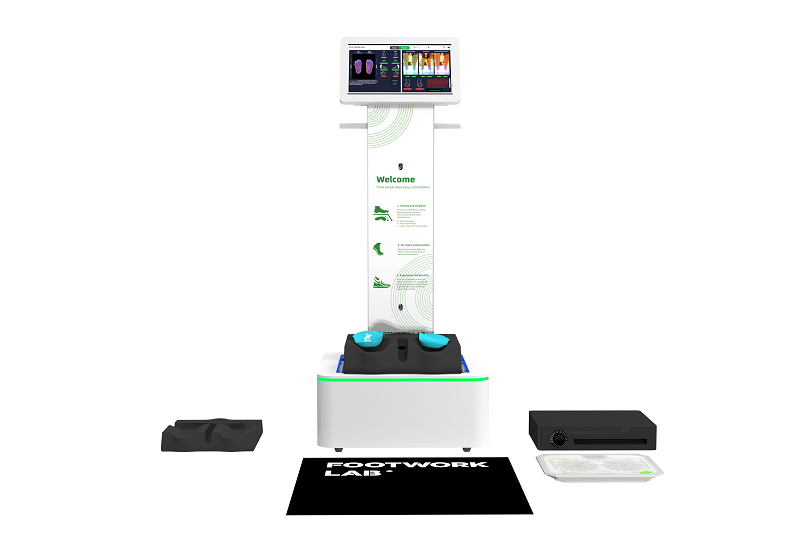
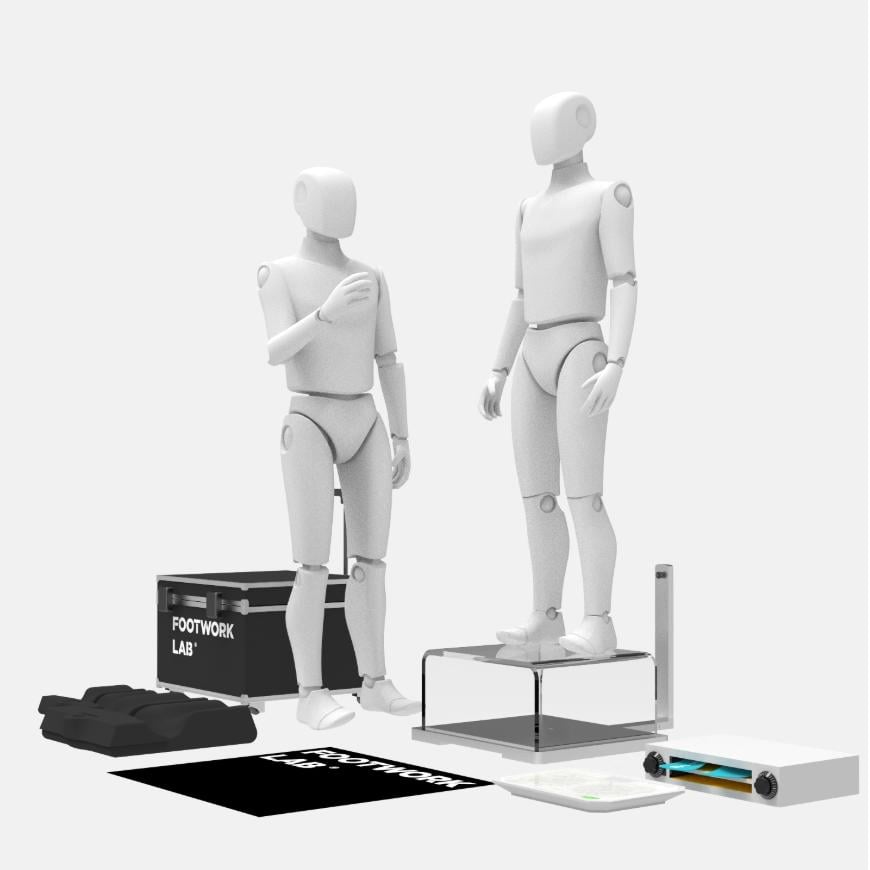
Gait analysis is a dynamic evaluation technology that reflects our product's upgrade towards intelligence. By combining foot movement data collected through our foot scanners, pressure plates, and other devices, we conduct in-depth gait analysis and gait scan. This analysis helps in identifying gait abnormalities, which can be related to foot problems or postural issues. The data obtained from gait analysis is used to optimize our foot correction solutions, whether it's for designing better foot orthotic insoles or providing personalized advice for improving walking patterns. It is also a key part of our "detection - analysis - correction" integrated solution, especially when combined with our gait analysis software.
Get A Quote

Advantages

Real-Time Kinematic Feedback

Provides instant visualizations of gait deviations (e.g., overpronation, Trendelenburg gait) through color-coded heatmaps and motion trajectories, enabling immediate corrective adjustments.

Sports Performance Enhancement

Offers specialized algorithms to analyze running economy, jump mechanics, and cutting movements for athletes, identifying biomechanical inefficiencies that contribute to performance plateaus or injury risks.

Pediatric Development Monitoring

Tracks developmental gait patterns in children aged 2-12, detecting early signs of intoeing, outsole wear, or developmental dysplasia of the hip for timely intervention.

Related products

Gait analysis for walking is a specialized assessment that examines the mechanics of an individual’s walking pattern, focusing on the sequence of movements, pressure distribution, and joint function during the gait cycle. This analysis uses tools such as pressure plates, motion capture cameras, and force sensors to collect quantitative data, which is then processed to evaluate parameters like step length, stride width, foot strike pattern, and the timing of each gait phase (heel strike, midstance, toe-off). The goal is to identify normal and abnormal walking patterns, providing insights into how the musculoskeletal system functions during this fundamental daily activity. In clinical settings, gait analysis for walking is used to diagnose conditions affecting mobility, such as peripheral neuropathy, hip or knee osteoarthritis, or post-surgical recovery issues. For example, a patient recovering from an ankle sprain may exhibit a shortened stance phase on the affected side to avoid pain, which the analysis can quantify to guide rehabilitation exercises. The data also helps clinicians design targeted interventions, such as prescribing orthotics to correct overpronation or recommending balance training to address instability. Gait analysis for walking is also valuable in sports and fitness, where even subtle inefficiencies can affect performance or increase injury risk. For instance, a walker with a narrow stride width may experience increased stress on the knees, while excessive heel strike impact could contribute to shin splints. By identifying these patterns, coaches or trainers can suggest technique adjustments to improve efficiency and reduce strain. Additionally, this analysis is used in ergonomics and footwear design, ensuring that walking shoes provide appropriate support based on typical pressure points and movement patterns. The software used in gait analysis for walking generates visualizations like pressure maps and joint angle graphs, making it easier to communicate findings to patients, athletes, or designers. By breaking down the complex mechanics of walking into measurable components, this analysis provides a scientific foundation for improving mobility, comfort, and performance in everyday life.

Frequently Asked Questions

What is the purpose of gait analysis at FOOTWORK LAB?

Gait analysis at FOOTWORK LAB aims to evaluate foot and lower limb movement patterns to identify abnormalities (e.g., overpronation, uneven stride). This data is used to optimize orthotic insoles, improve athletic performance, and prevent posture-related issues.
Gait analysis combines data from foot scanners, pressure plates, and motion sensors (e.g., IMUs) to track 36+ movement parameters, such as knee flexion and ankle dorsiflexion. High-speed cameras capture real-time motion, while software algorithms analyze patterns to generate actionable insights.
Athletes, rehabilitation patients, and individuals with chronic foot pain all benefit from gait analysis. Athletes use it to enhance performance and reduce injury risks, while rehabilitation patients track progress in restoring normal movement patterns.
Gait analysis can detect abnormalities like overpronation, supination, Trendelenburg gait, and unequal step length. These insights help design personalized correction plans, such as custom insoles or physical therapy exercises, to address underlying issues.
The frequency of gait analysis depends on the user’s needs. Athletes may undergo periodic assessments during training cycles, while individuals in rehabilitation may have monthly reviews. Routine check-ups (annually) are also recommended for proactive foot health management.

Related Articles

Customer Reviews

Laura Brown
Eye-Opening Insights into My Walking

The gait analysis revealed that I had a subtle limp from an old knee injury that I thought had healed. The team created a custom insole and recommended exercises to correct my stride. After 4 weeks, my knee pain diminished, and I walk with more confidence. Thank you for the thorough assessment.

David Wilson
Enhanced Performance for Runners

I worked with FOOTWORK LAB to analyze my running gait and identify ways to improve efficiency. The analysis showed I was overstriding, which caused knee pain. With their recommended insole adjustments and stride drills, I’ve reduced my pain and increased my average speed by 1.5 mph.

Get a Free Quote

Our representative will contact you soon.
Email
Mobile/WhatsApp
Name
Company Name
Message
0/1000
Aging Population Assessment

Aging Population Assessment

Evaluates age-related gait changes (e.g., reduced stride length, increased double support time) in senior populations to predict fall risks and design personalized balance training programs.