EN
EN



Aging Population Assessment
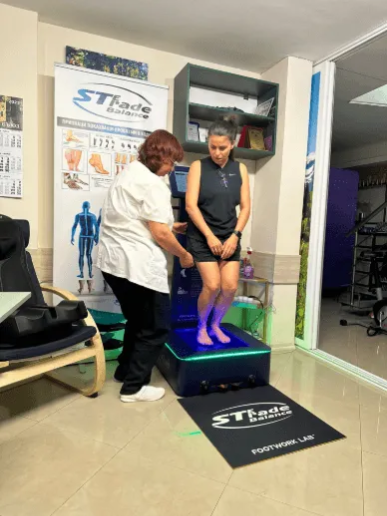
Evaluates age-related gait changes (e.g., reduced stride length, increased double support time) in senior populations to predict fall risks and design personalized balance training programs.
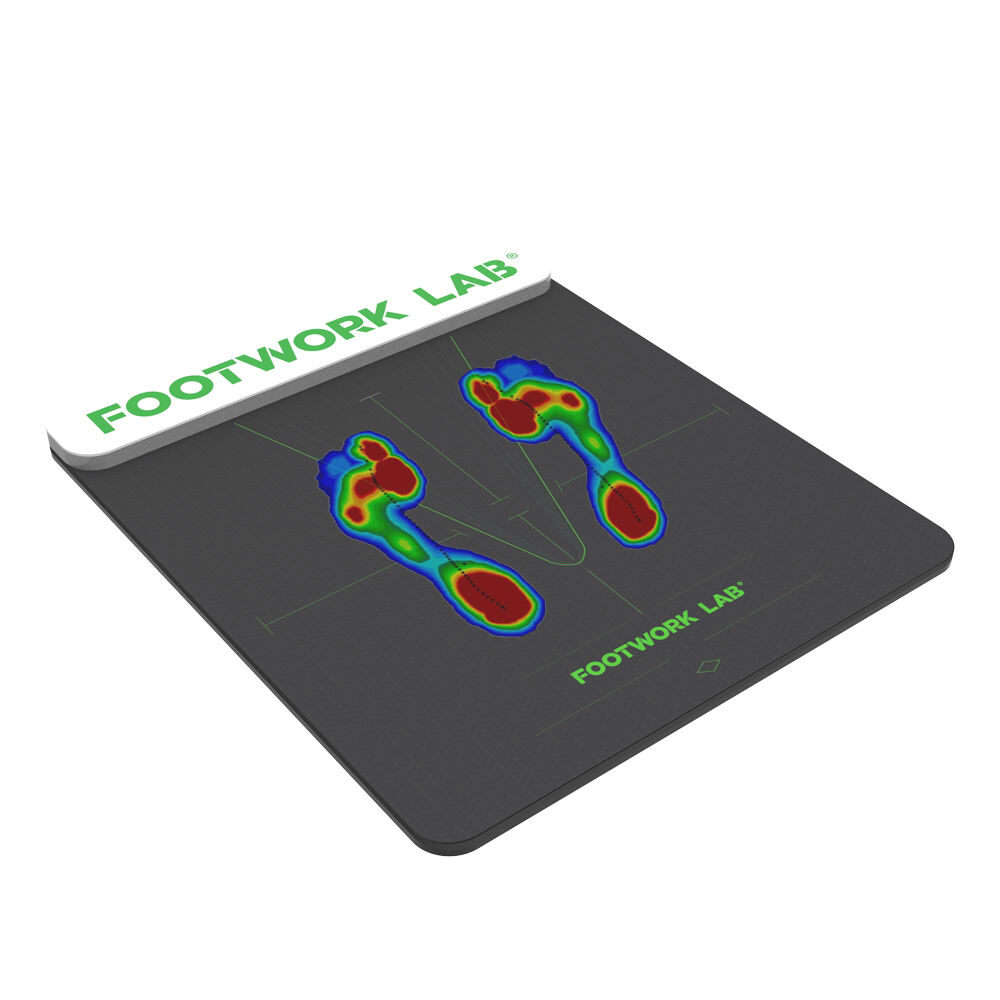
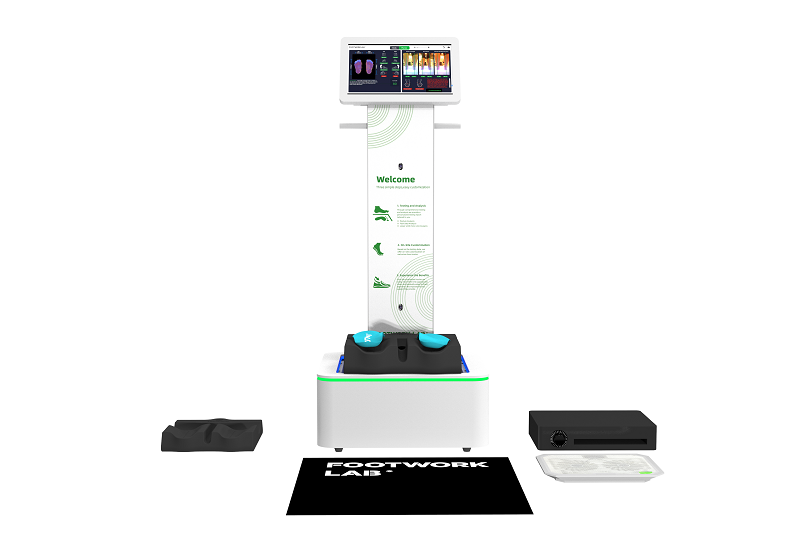
Gait testing is a systematic process used to evaluate an individual’s walking or running pattern, employing a range of tools and techniques to assess movement mechanics, balance, and functional mobility. This testing can be conducted in clinical settings, sports facilities, or research labs, using both qualitative observations and quantitative measurements to identify abnormalities, inefficiencies, or signs of injury. The primary goal of gait testing is to gather objective data that can inform diagnosis, treatment planning, or performance optimization. Basic gait testing may begin with visual observation, where a trained professional assesses factors like posture, step symmetry, foot strike pattern, and arm swing during walking or running. More advanced testing incorporates technology such as pressure plates to measure how weight is distributed across the foot, motion capture systems to track joint movements, and force sensors to record ground reaction forces. These tools provide precise measurements of parameters like step length, stride width, stance time, and joint angles, which are compared to normative data to identify deviations. In clinical contexts, gait testing is used to evaluate patients with conditions such as cerebral palsy, multiple sclerosis, or lower extremity fractures, helping clinicians understand how the condition affects movement. For example, gait testing after a knee replacement can reveal whether the patient is bearing weight evenly on both legs or if there is a persistent limp that requires additional therapy. In sports, gait testing helps athletes identify movement patterns that may increase injury risk, such as overpronation during running, which can lead to plantar fasciitis or knee pain. Coaches and trainers use this information to recommend corrective exercises, footwear adjustments, or technique modifications. Gait testing also includes functional assessments, such as timed walking tests or obstacle courses, to evaluate overall mobility and balance. These tests are particularly useful for assessing fall risk in older adults or tracking recovery progress in patients undergoing rehabilitation. By combining qualitative observations with quantitative data, gait testing provides a comprehensive understanding of an individual’s movement patterns, supporting evidence-based decisions in healthcare, sports training, and rehabilitation.
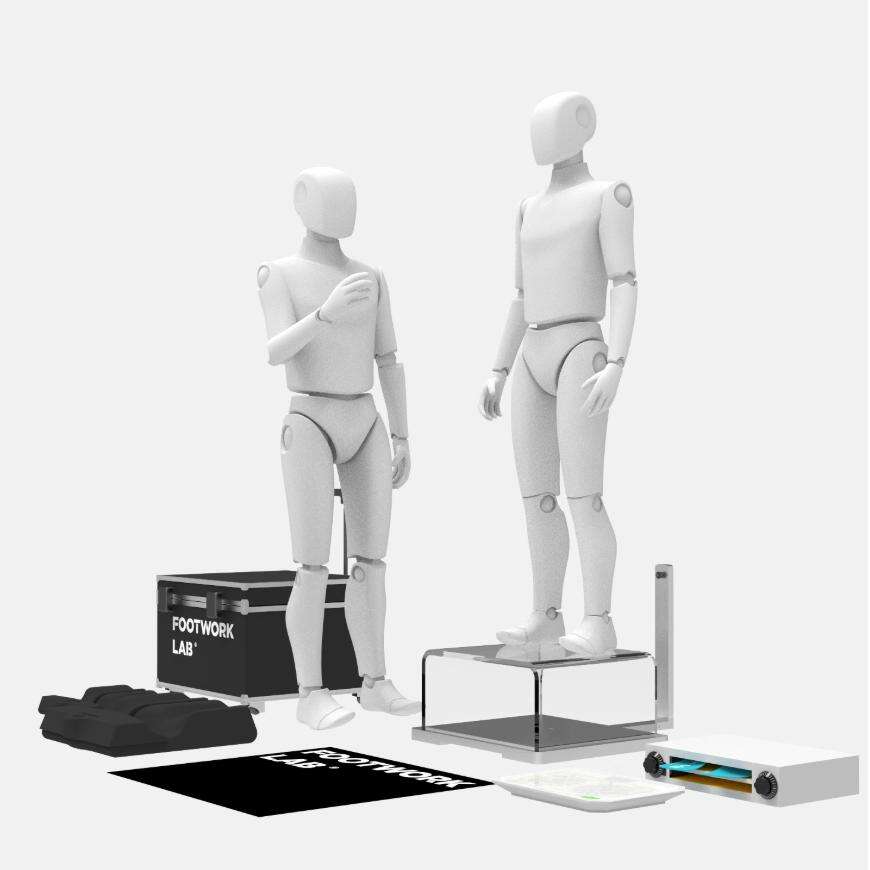

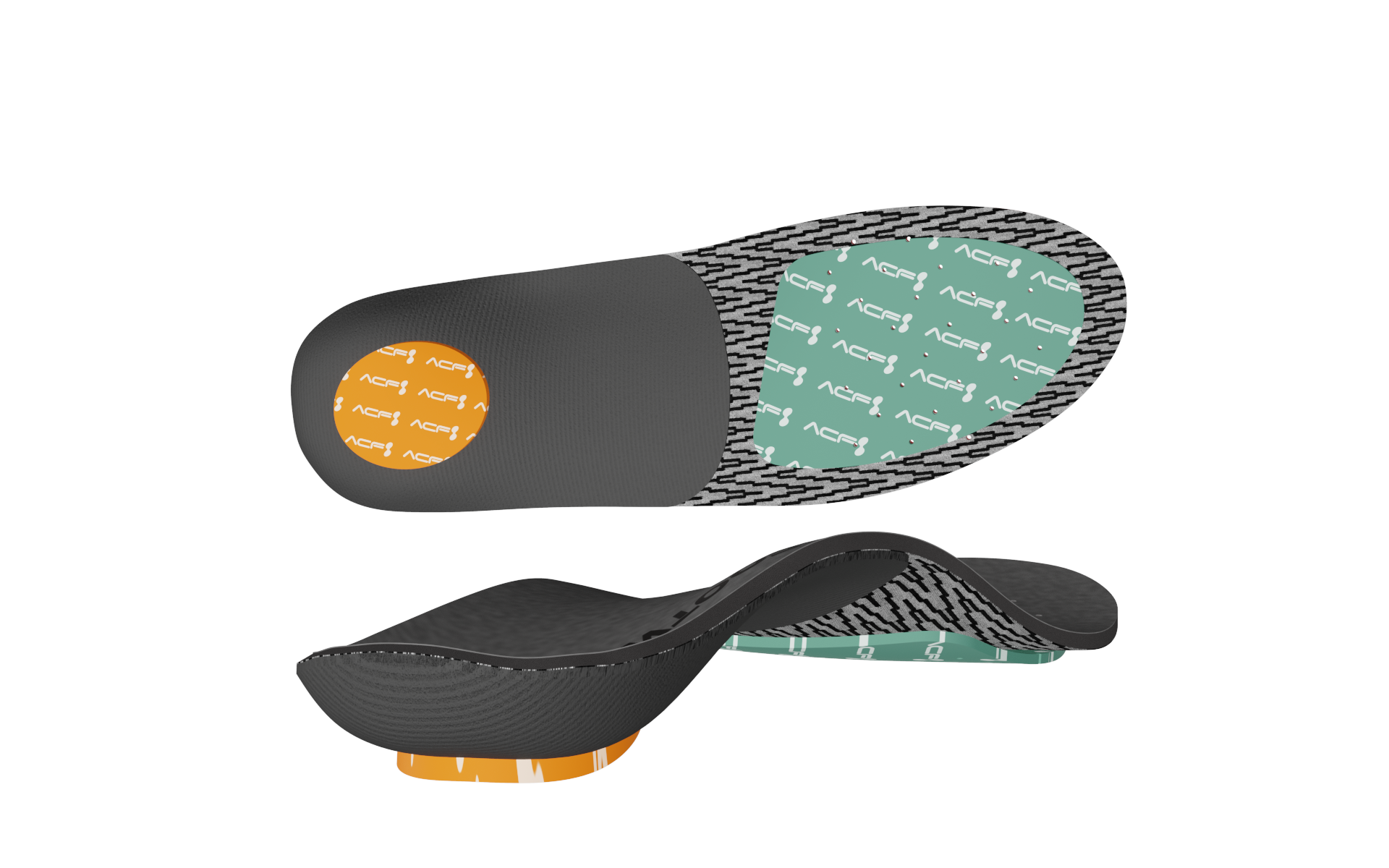
FOOTWORK LAB provides intelligent foot equipment and customized orthotic insoles with AI-driven detection. Our patented technology offers accurate, scalable solutions for global clients. Visit us today.