Foot Health & Posture Analysis Solutions | Advanced Tools for Biomechanics

Get a Free Quote

Our representative will contact you soon.
Email
Mobile/WhatsApp
Name
Company Name
Message
0/1000

Comprehensive Posture Analysis Linked to Foot Health

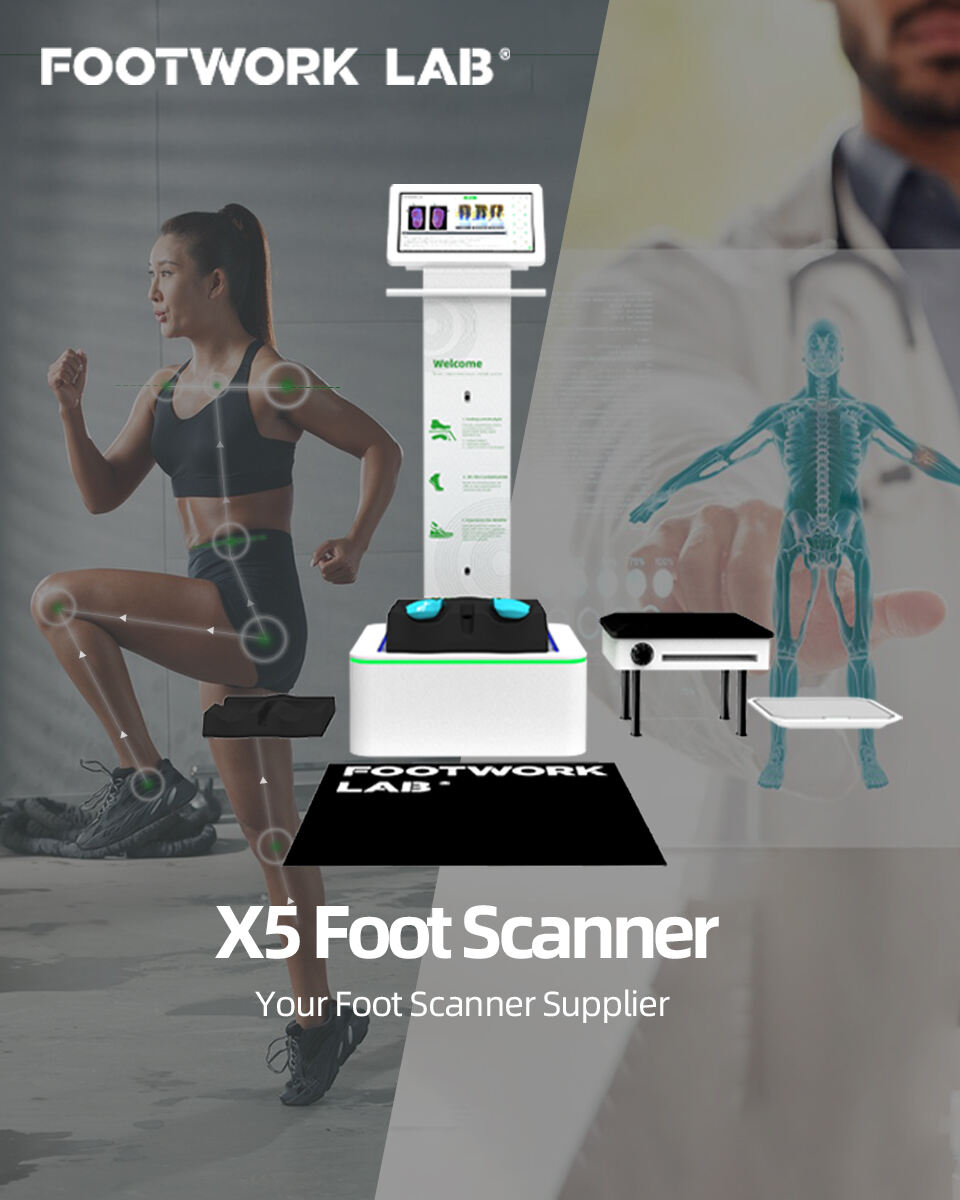
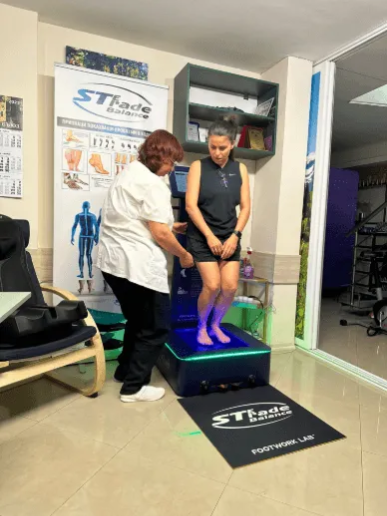
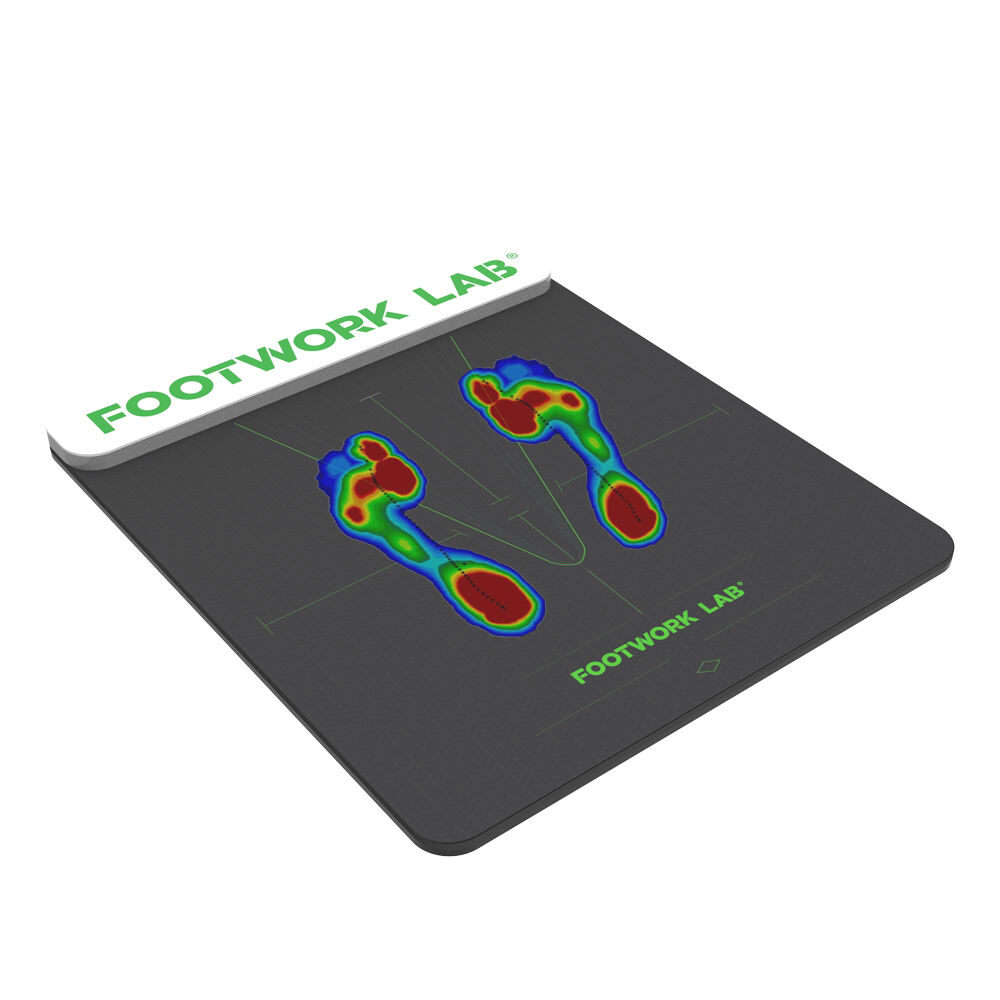
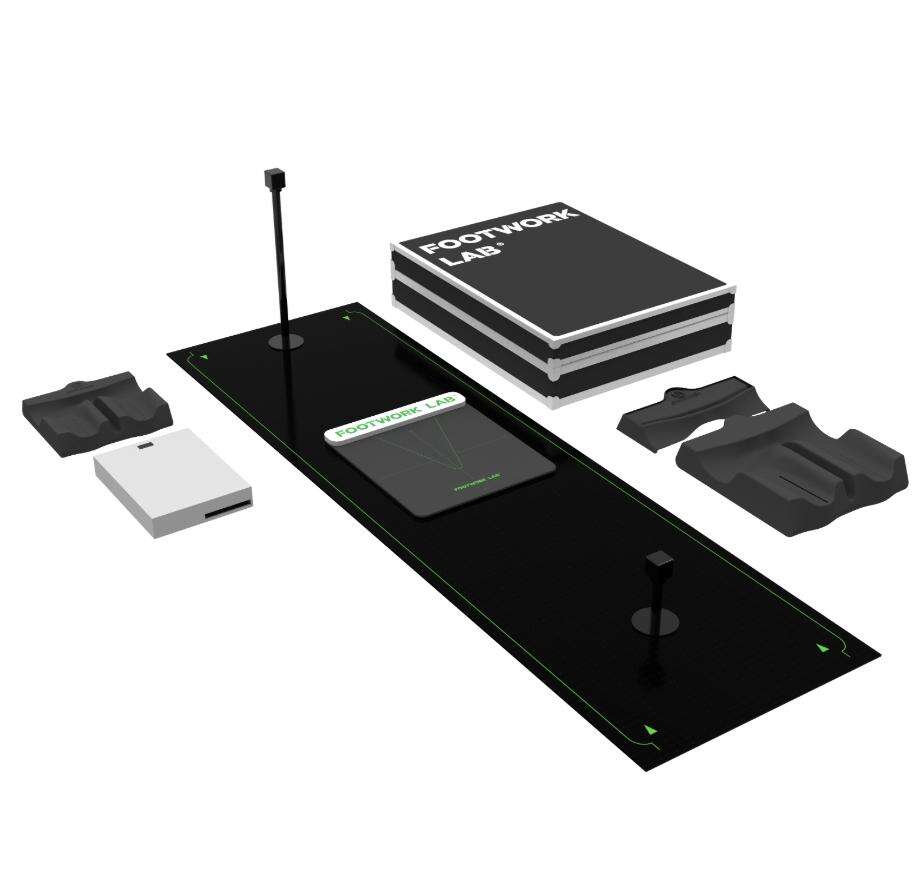
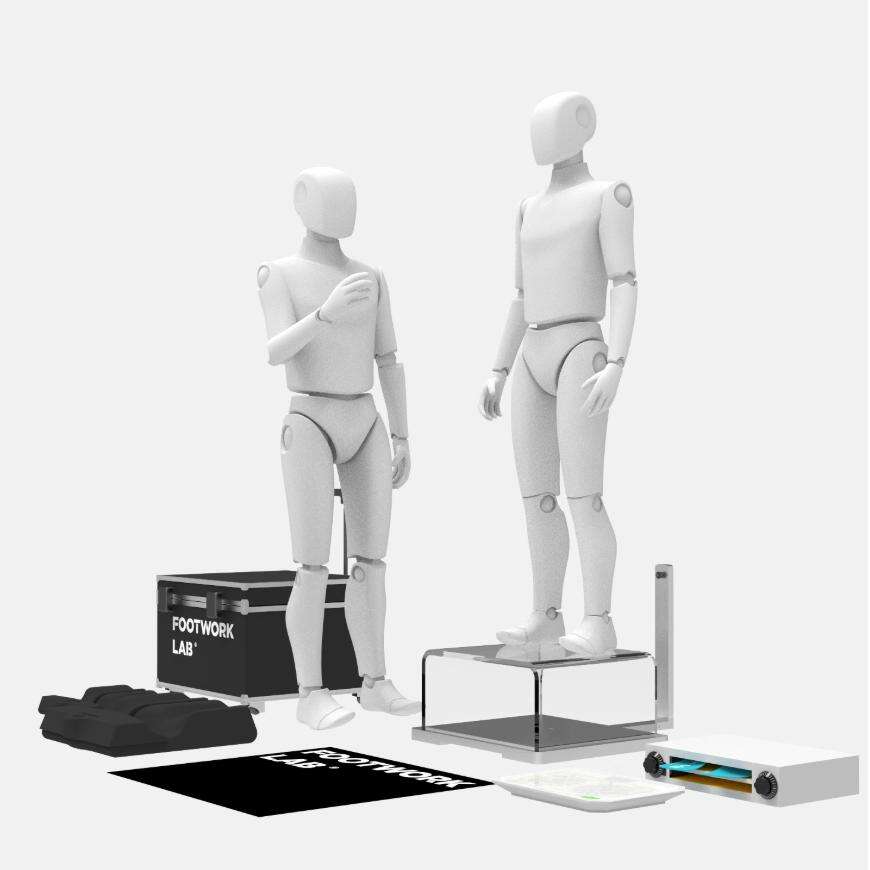
Posture analysis is an important cross - field application of our technology. By combining foot data obtained from our foot detection tools, such as foot scanner, 3d foot scanner, and pressure plate, we can conduct a comprehensive assessment of the body's posture. This analysis helps in detecting posture abnormalities that may be caused by foot problems, such as flat feet or uneven foot pressure. Our posture analysis technology is not only useful for preventing potential health issues related to poor posture but also for providing integrated solutions in the health and wellness industry. It can be used in conjunction with our foot correction products and gait analysis services to offer a complete package for improving overall body health and posture.
Get A Quote

Advantages

Whole-Body Biomechanical Linkage

Establishes correlations between foot alignment (e.g., varus/valgus heel) and upper body posture issues like shoulder asymmetry or spinal curvature, enabling holistic correction strategies.

Real-Time Posture Feedback System

Provides instant audio-visual alerts when abnormal postures (e.g., forward head tilt, knee hyperextension) are detected, empowering users to self-correct during daily activities.

Dance & Sports Training

Assesses alignment and movement efficiency in dancers, gymnasts, and athletes, helping coaches design training programs to reduce injury risks and enhance performance consistency.

Related products

The review of posture for scoliosis prevention looks at the systematic evaluation of spinal alignment and foot mechanics for early detection of abnormal spinal curvatures. Shoulder height discrepancies and pelvic obliquity, which are often associated with compensatory foot posture such as leg length inequality, are common signs of scoliosis. These advanced posture assessments can be done with shoulder and pelvic levelers, gait analysis, and 3D imaging. These through digital inclinometer assessments, scoliosis strabismometer, custom knee lifts, and orthotic balance are able to strategically shift pelvic alignment and exert less stress on the spine, thus allowing for better back muscle strengthening exercises aimed at preventing spinal curve progression. In children 10 to 16 years of age, frequent checks for scoliosis enables timely referrals to orthopaedic specialists, with studies documenting that earlier treatment, closing the window on non-fusion spinal surgery, brings down the number of fusions needed by 30 to 40 percent. Combining foot and spinal data enables a more effective prevention framework that takes into account, both local biomechanics and systemic biomechanical framework.

Frequently Asked Questions

How does posture analysis integrate with foot data?

Posture analysis correlates foot alignment (e.g., heel varus/valgus) with upper body posture issues like shoulder asymmetry or spinal curvature. By addressing foot-related imbalances, it enables holistic corrections that improve overall body alignment and reduce pain.
Posture analysis uses data from foot scanners, pressure plates, and motion sensors to assess biomechanical linkages. Advanced software algorithms then generate reports on posture deviations, such as forward head tilt or knee hyperextension, based on combined foot and body data.
Yes, by identifying and correcting foot-related posture issues early, posture analysis can prevent chronic pain in the back, knees, and hips. For example, correcting flat feet-related pelvic tilt can reduce lower back strain over time.
Individuals with sedentary lifestyles, athletes, and those with pre-existing posture conditions benefit from posture analysis. It helps office workers reduce ergonomic risks, athletes improve movement efficiency, and seniors reduce fall risks through balance training.
Routine posture analysis is recommended annually for proactive health management, especially for individuals with risk factors like prolonged sitting or a history of injuries. More frequent assessments (every 3–6 months) may be advised for those in rehabilitation or intensive training.

Related Articles

Customer Reviews

Michael Chen
Holistic Approach to Pain Relief

For years, I struggled with lower back pain that my doctor linked to poor foot posture. Posture analysis at FOOTWORK LAB confirmed my flat feet were causing a chain reaction in my spine. Their custom insoles and posture exercises have reduced my pain significantly—I feel like a new person.

Mark Johnson
Proactive Care for Seniors

My mother was concerned about her balance as she aged. Posture analysis showed subtle gait changes that increased her fall risk. FOOTWORK LAB designed stability-focused insoles and recommended balance exercises, giving her more confidence and reducing our worry.

Get a Free Quote

Our representative will contact you soon.
Email
Mobile/WhatsApp
Name
Company Name
Message
0/1000
Geriatric Posture Monitoring

Geriatric Posture Monitoring

Tracks age-related postural changes (e.g., kyphosis, propulsive gait) in elderly populations, providing objective data for fall risk assessments and adaptive equipment recommendations.