EN
EN



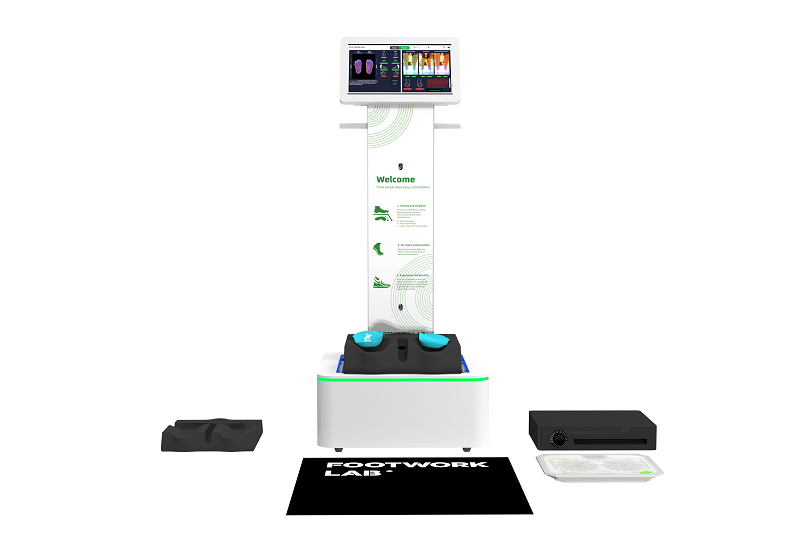
Calibration-Free Operation
Features self-calibrating sensors that automatically adjust for temperature and humidity variations, reducing maintenance downtime and ensuring consistent measurement accuracy over time.
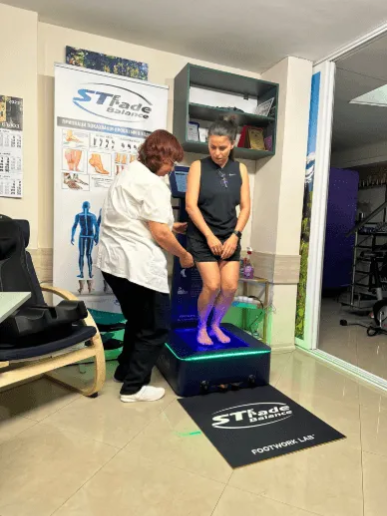
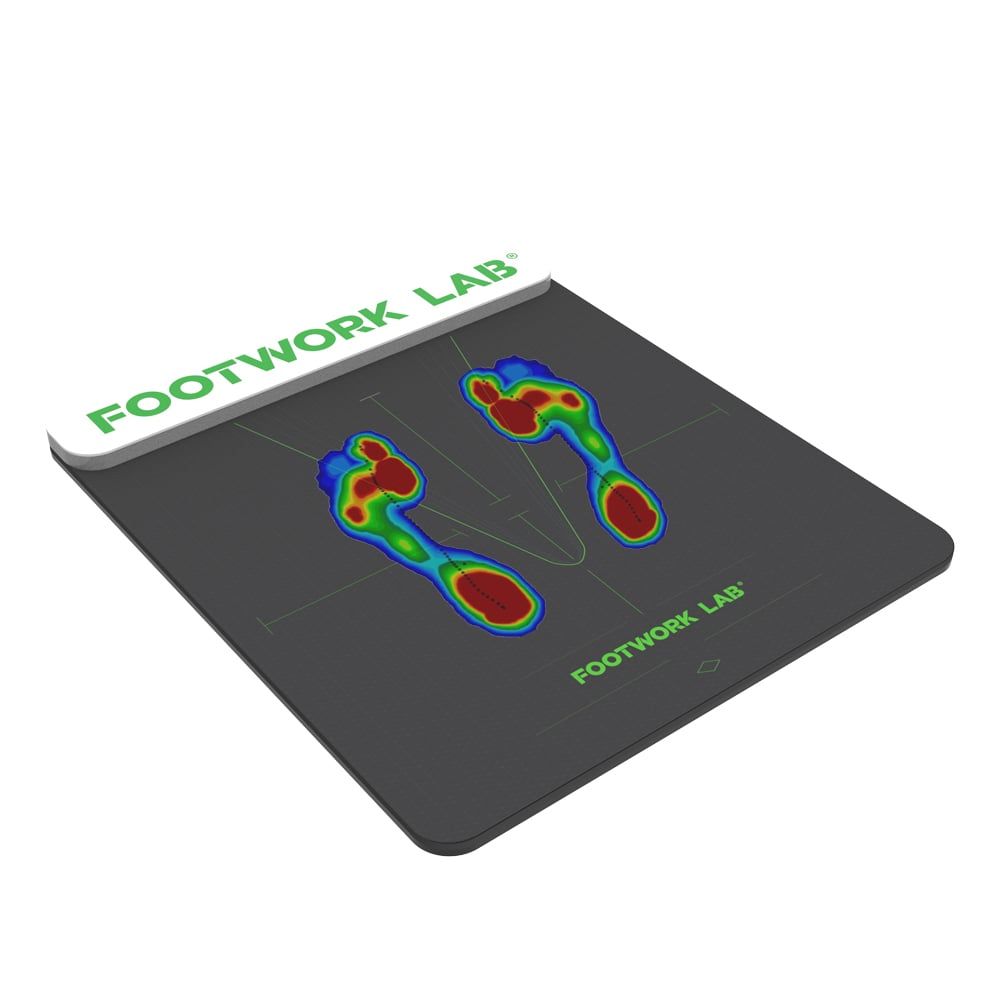
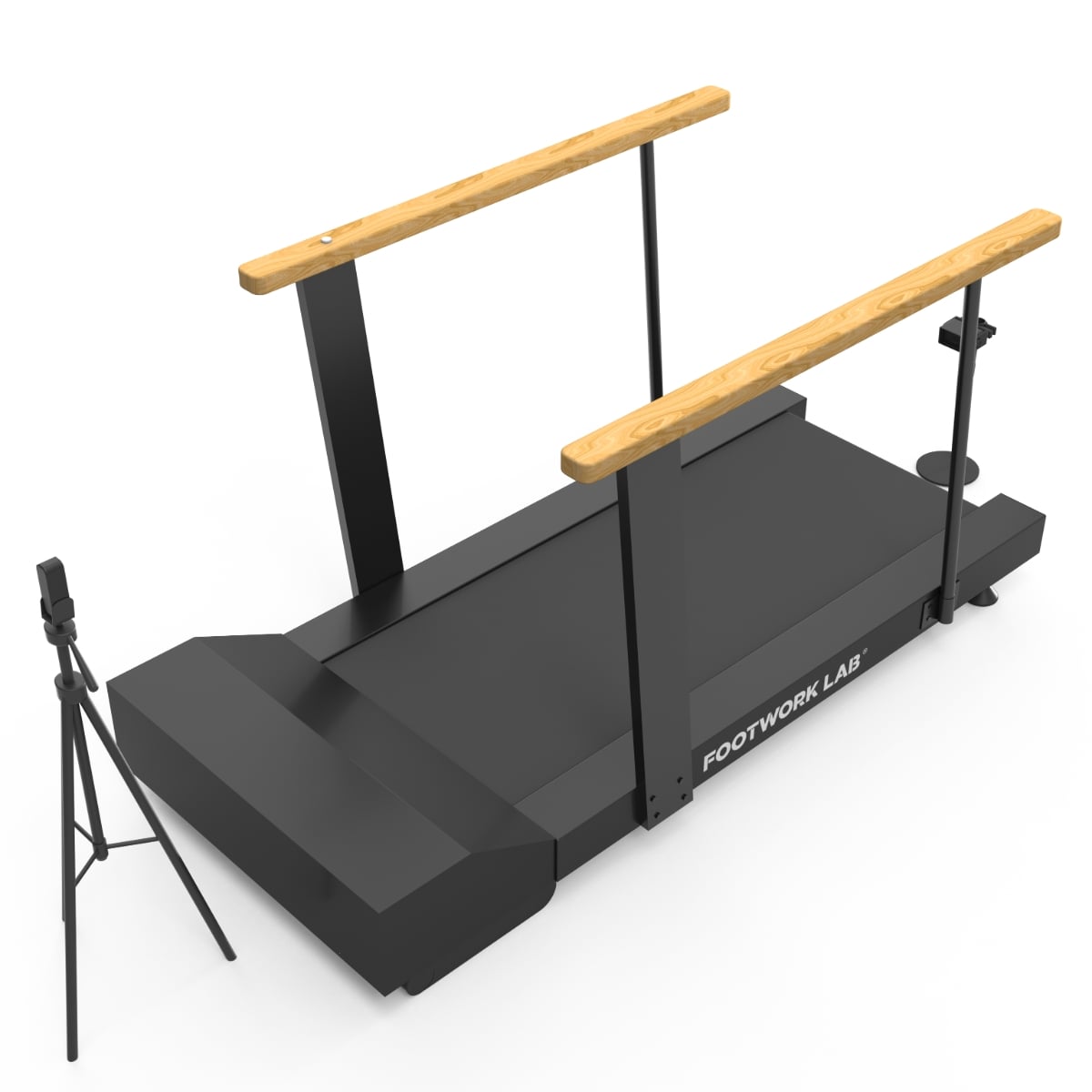
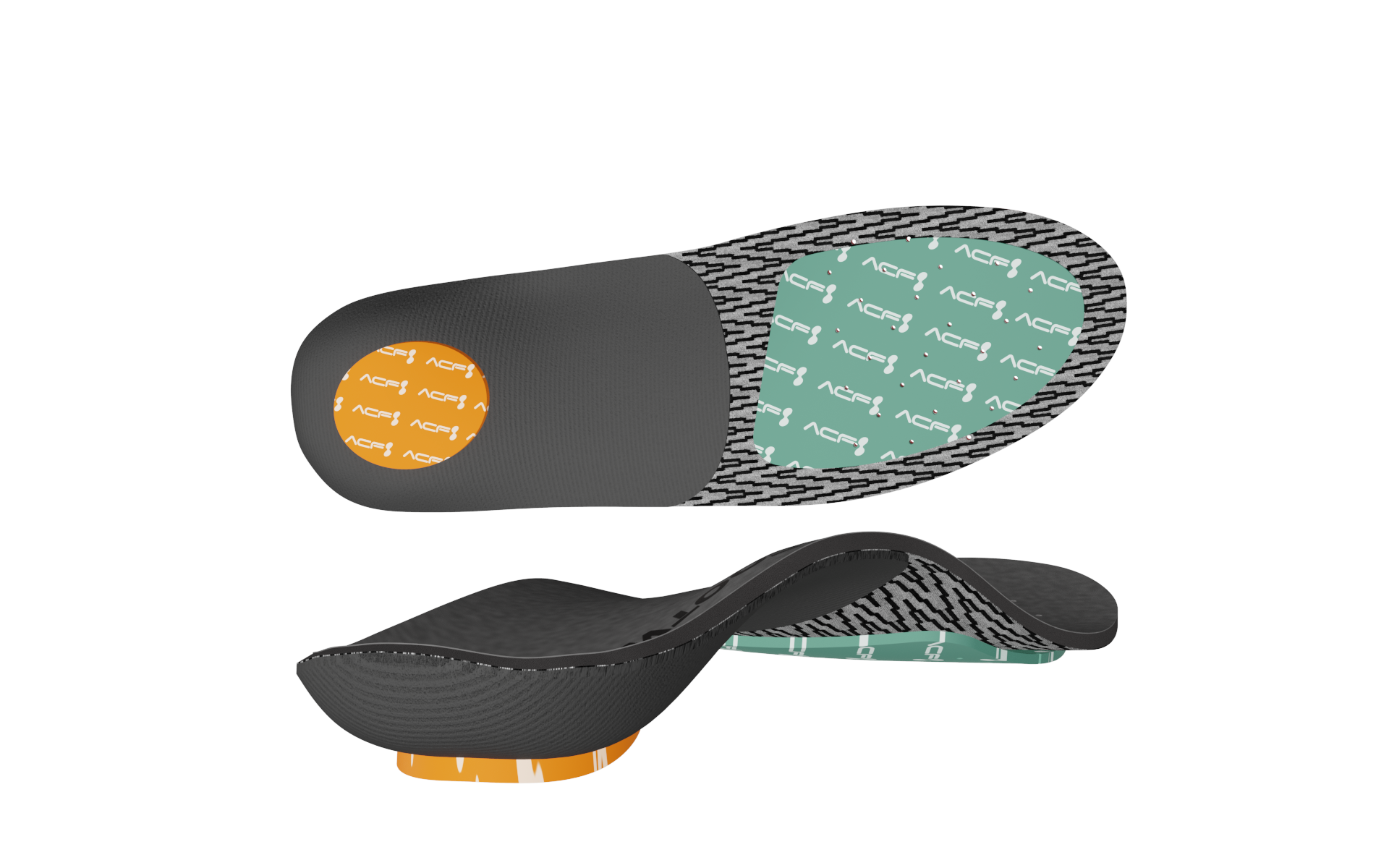
Pressure plates have been equipped with sensors to measure forces exerted on the ground while standing, walking, or running. Biomechanical research makes use of high-frequency (1,000 Hz+) pressure plates that provide exact data on force vectors, joint torques, and energy absorption, thereby enabling a comprehensive study on the efficiency of gait. In clinical practice, pressure plates assist in diagnosing a Parkinsonian gait or chronic ankle instability by measuring stride symmetry and weight-bearing patterns in gait. Other industrial uses include in orthotics manufacturing where pressure plates are used for quality assurance in the automated measurement of insole pressure data before and after production. Wireless and portable pressure plates are best suited for use in mobile clinics and sports events since they offer instant data related to foot function and enable immediate footwear or rehabilitation recommendations.
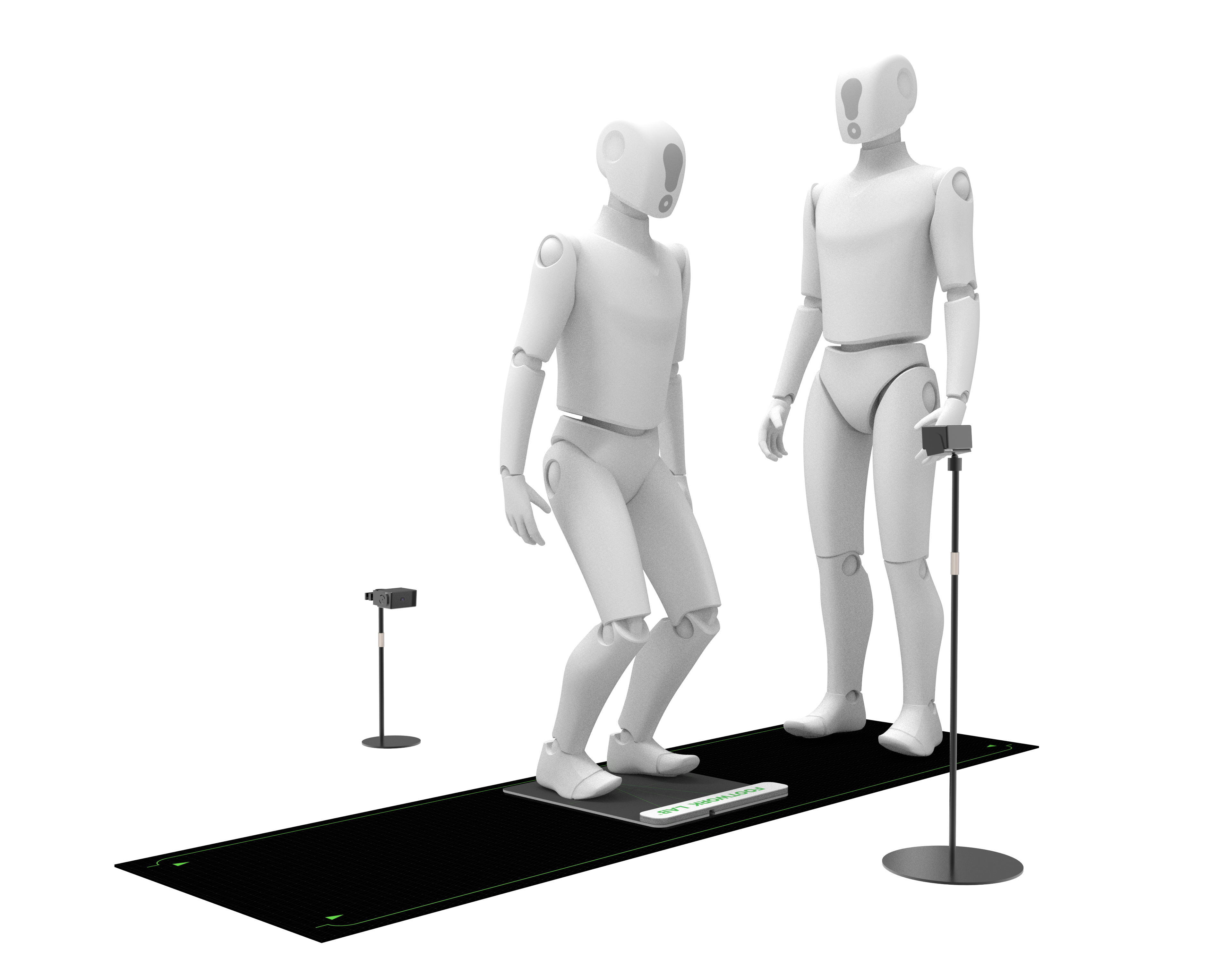

FOOTWORK LAB provides intelligent foot equipment and customized orthotic insoles with AI-driven detection. Our patented technology offers accurate, scalable solutions for global clients. Visit us today.