EN
EN



Collaborative Healthcare Integration
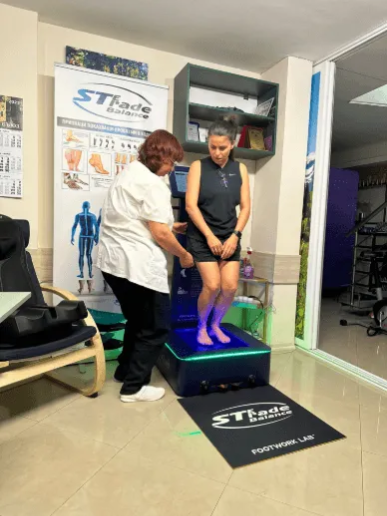
Facilitates seamless data sharing with podiatrists, orthopedists, and physical therapists, enabling multidisciplinary collaboration for complex foot correction cases.
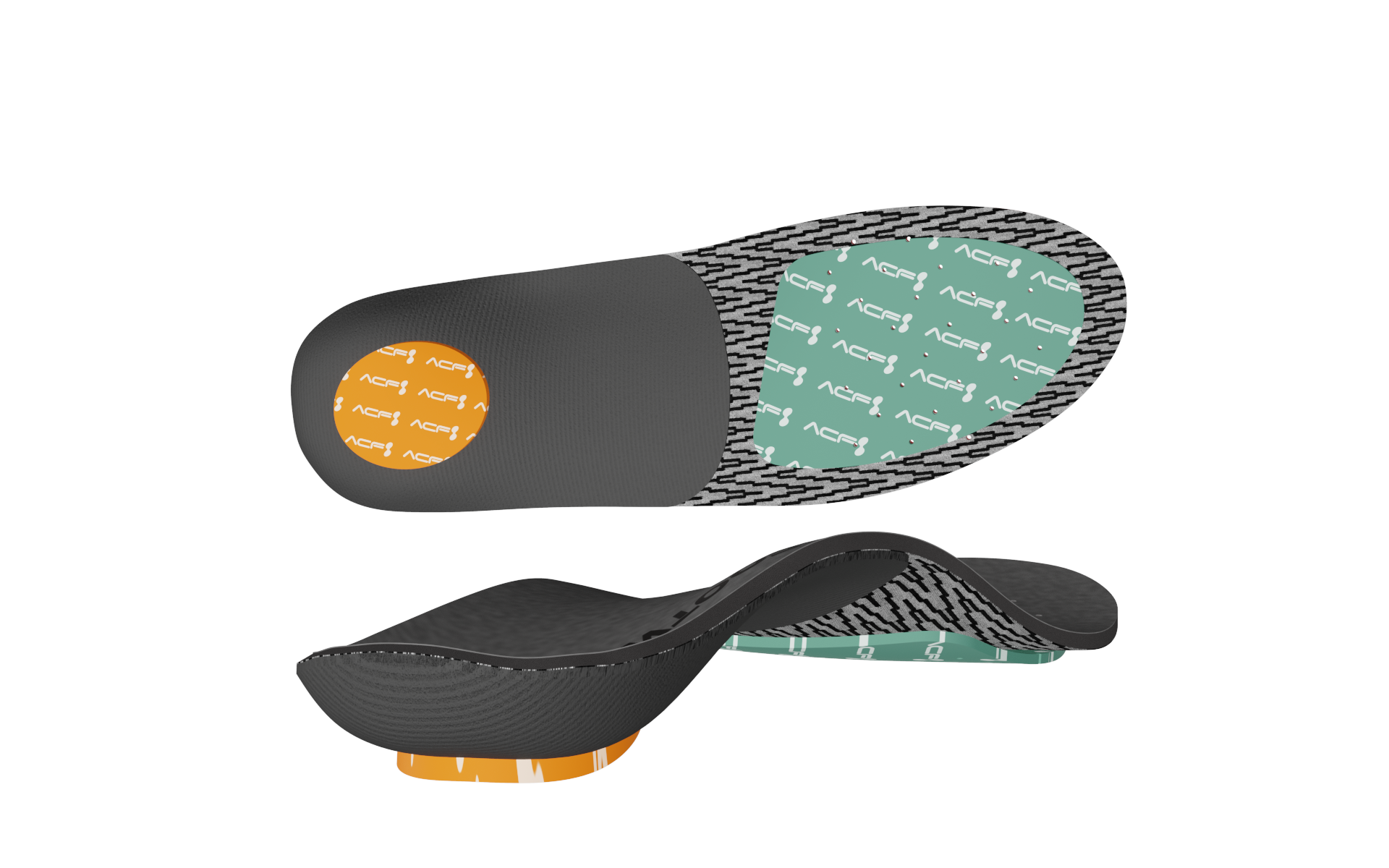
As previously mentioned, foot correction combines many forms of treatment to fix functional and structural abnormalities of the foot using scan data, pressure, and gait analysis. Non-invasive therapies like custom orthotic devices, specialized shoes, and physical rehabilitation are available; however, for more severe cases, surgical options include osteotomy or soft tissue repair. For instance, flexible flat foot sufferers may be provided with arch-support insoles while rigid hallux valgus patients may require bunionectomy surgeries. More advanced methods, including 3D printed insoles along with AI developed orthotics, promise individuality in mechanics correction with a foot. The overall goal of foot correction procedures is to alleviate pain, restore mobility, and stave off additional problems such as knee or back pain caused by imprecise foot alignment. Though success rates vary by condition, foot correction cases are generally managed successfully over 75% of the time.
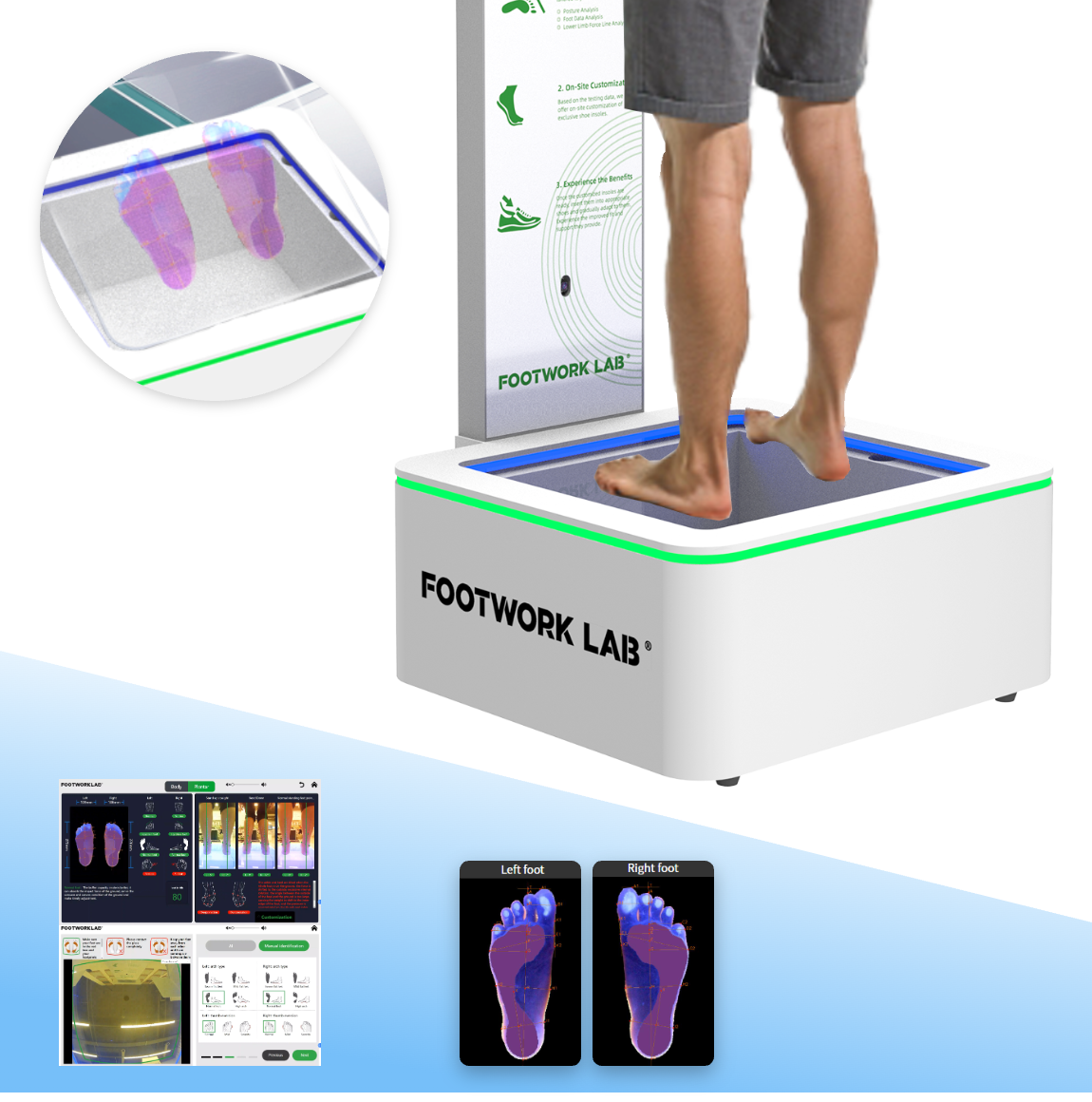

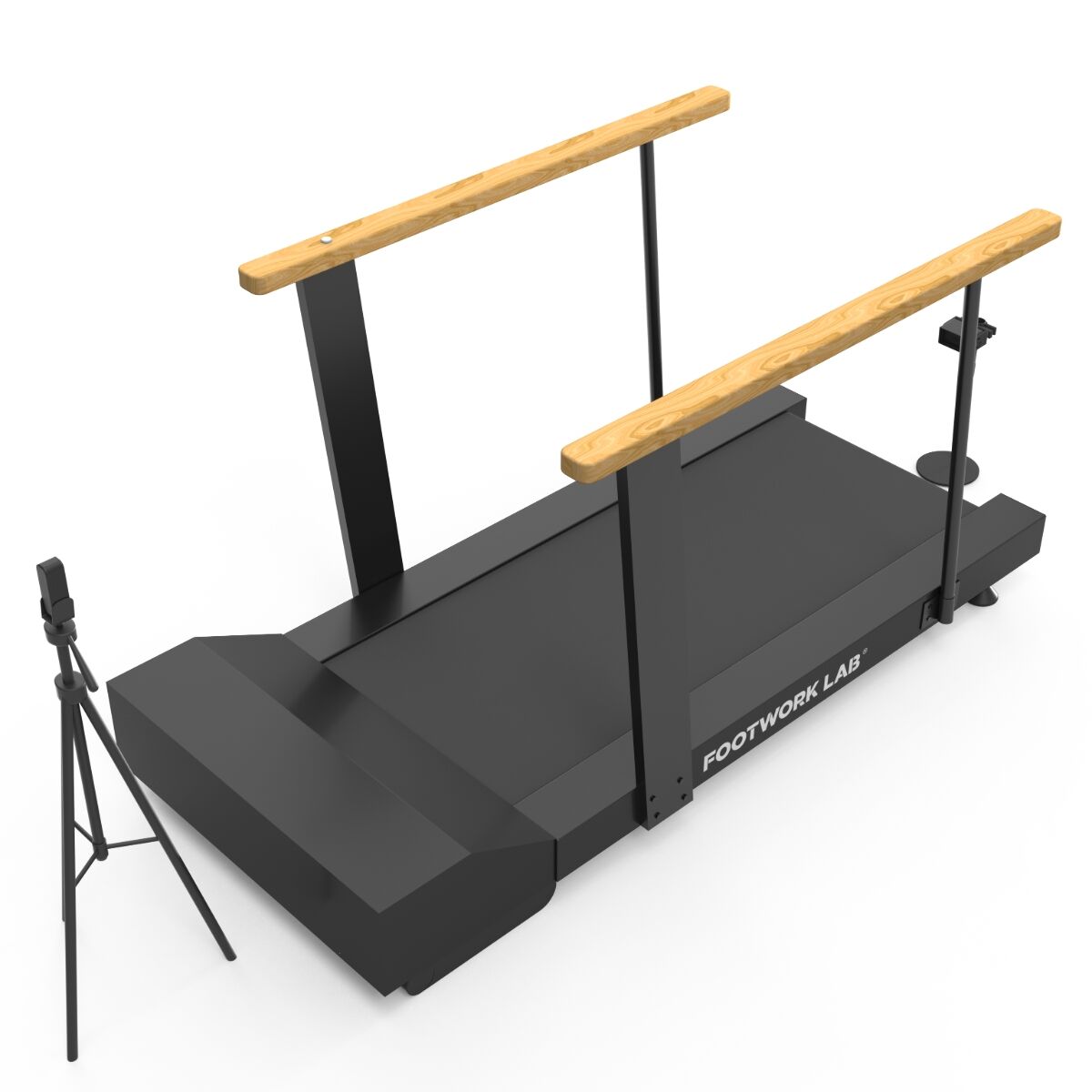
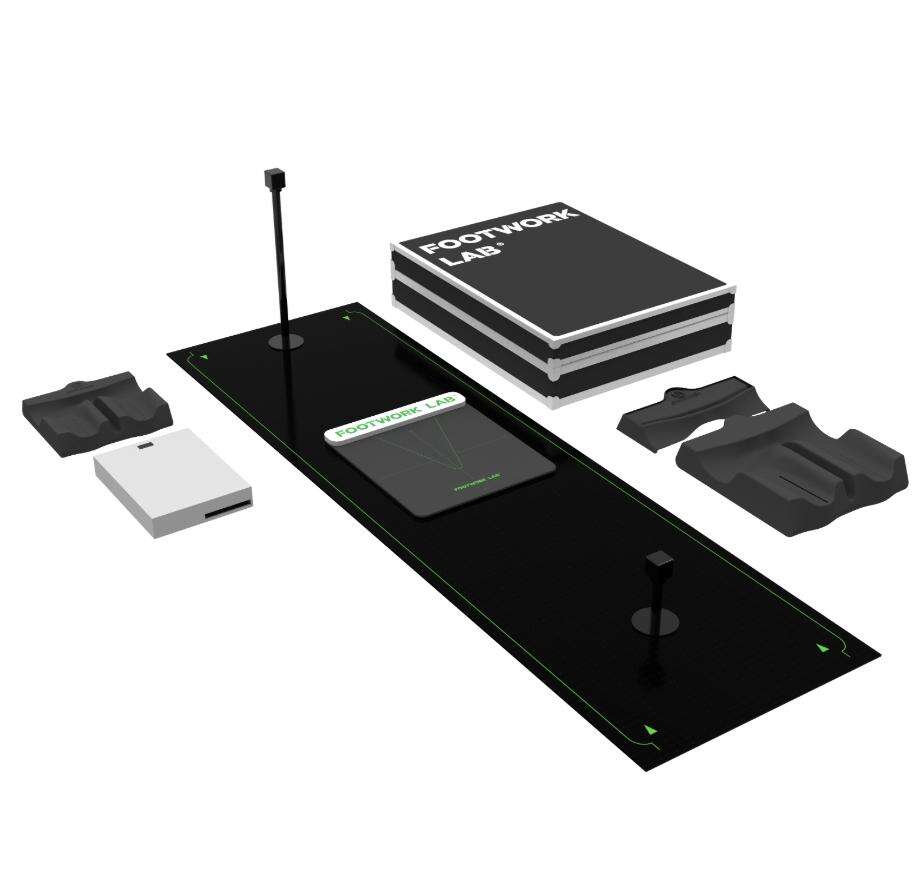
FOOTWORK LAB provides intelligent foot equipment and customized orthotic insoles with AI-driven detection. Our patented technology offers accurate, scalable solutions for global clients. Visit us today.