Advanced Plantar Pressure Measurement for Custom Foot Solutions

Get a Free Quote

Our representative will contact you soon.
Email
Mobile/WhatsApp
Name
Company Name
Message
0/1000

Key Plantar Pressure Measurement for Foot Function Assessment

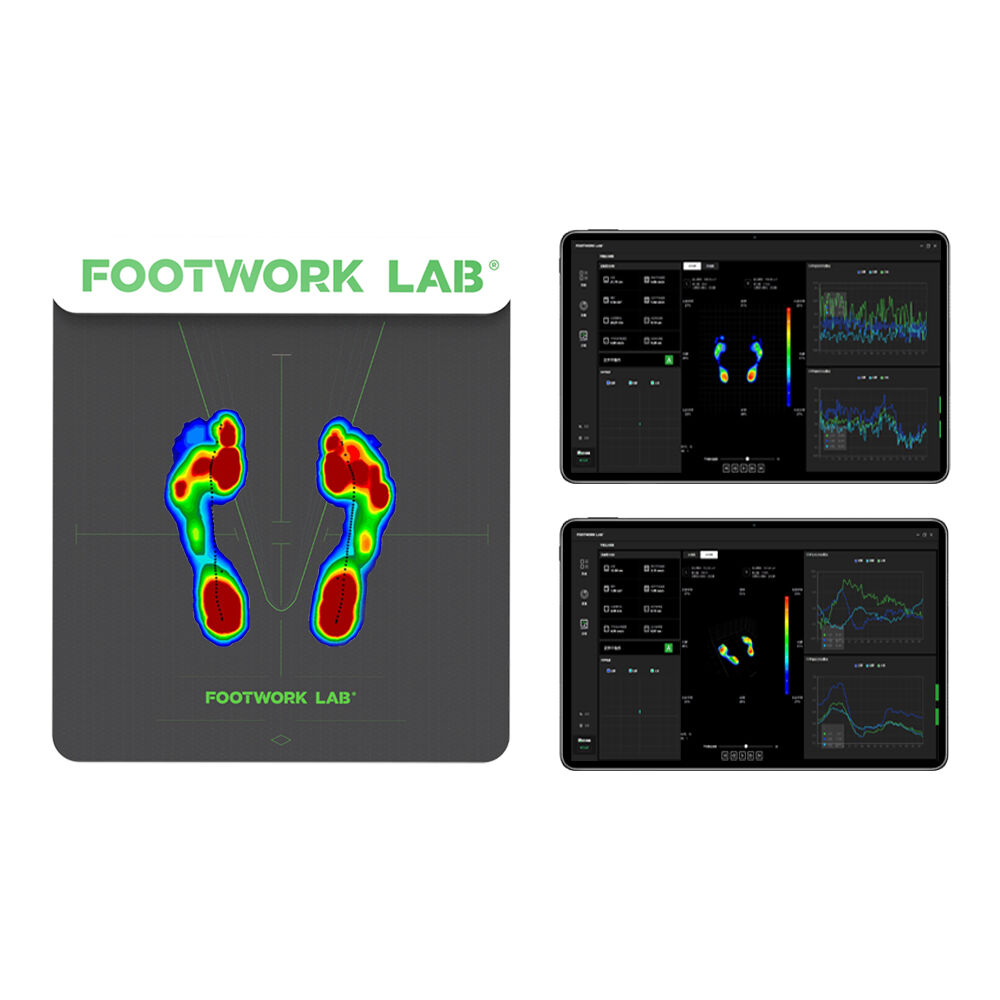
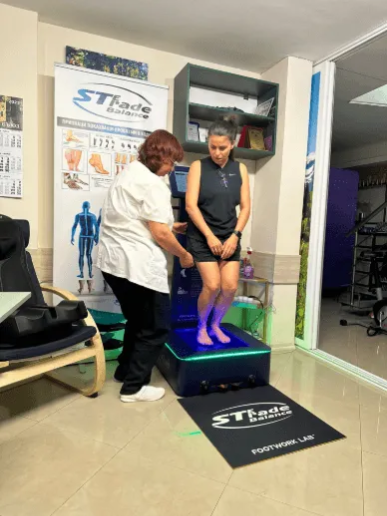
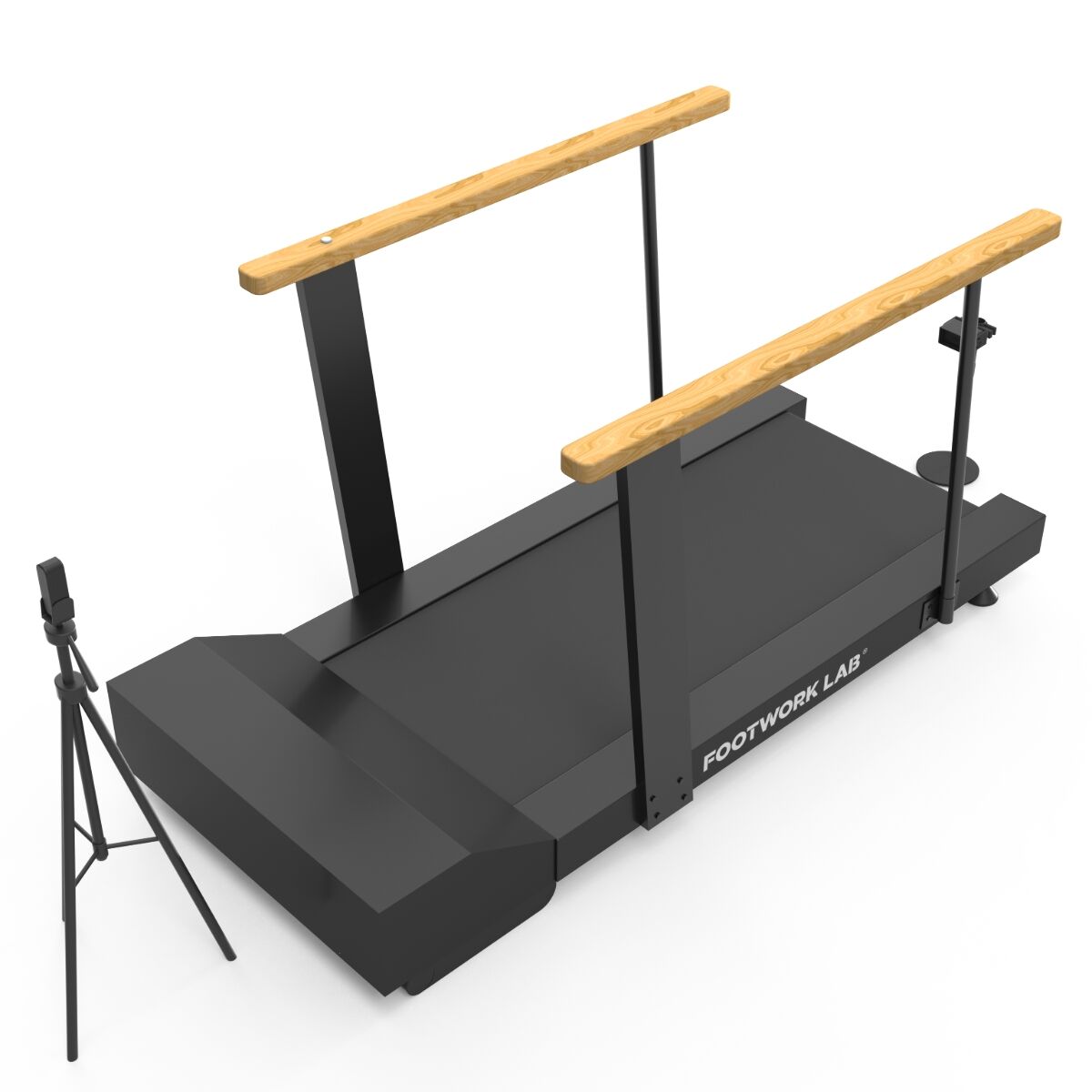
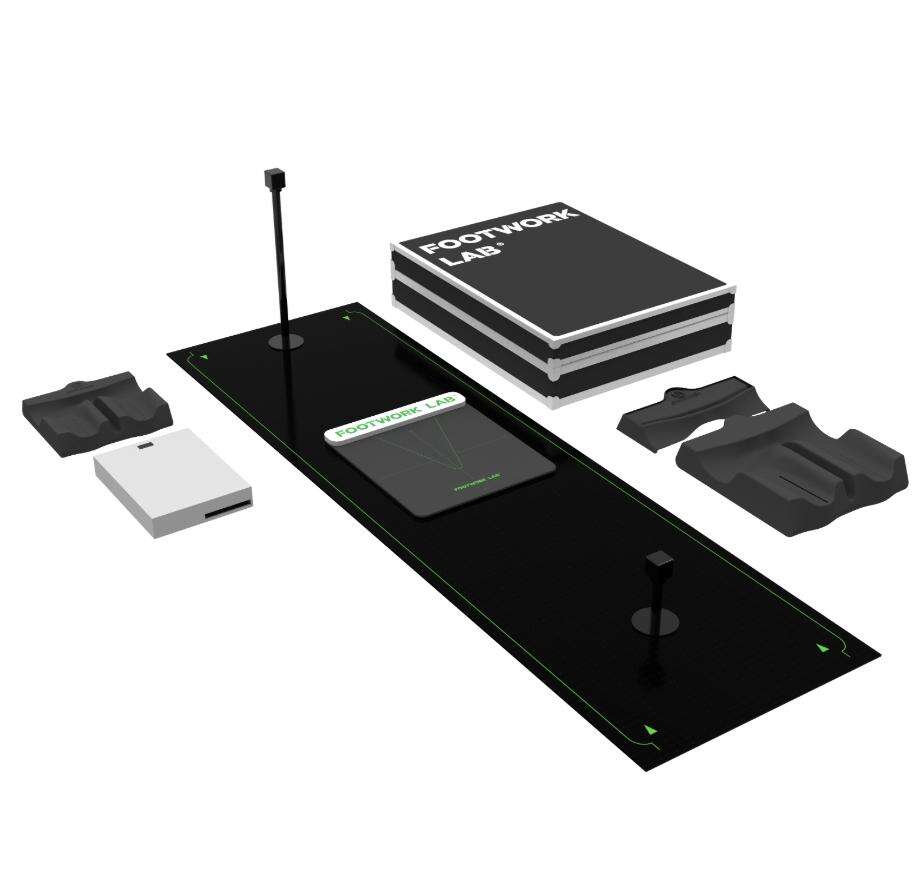
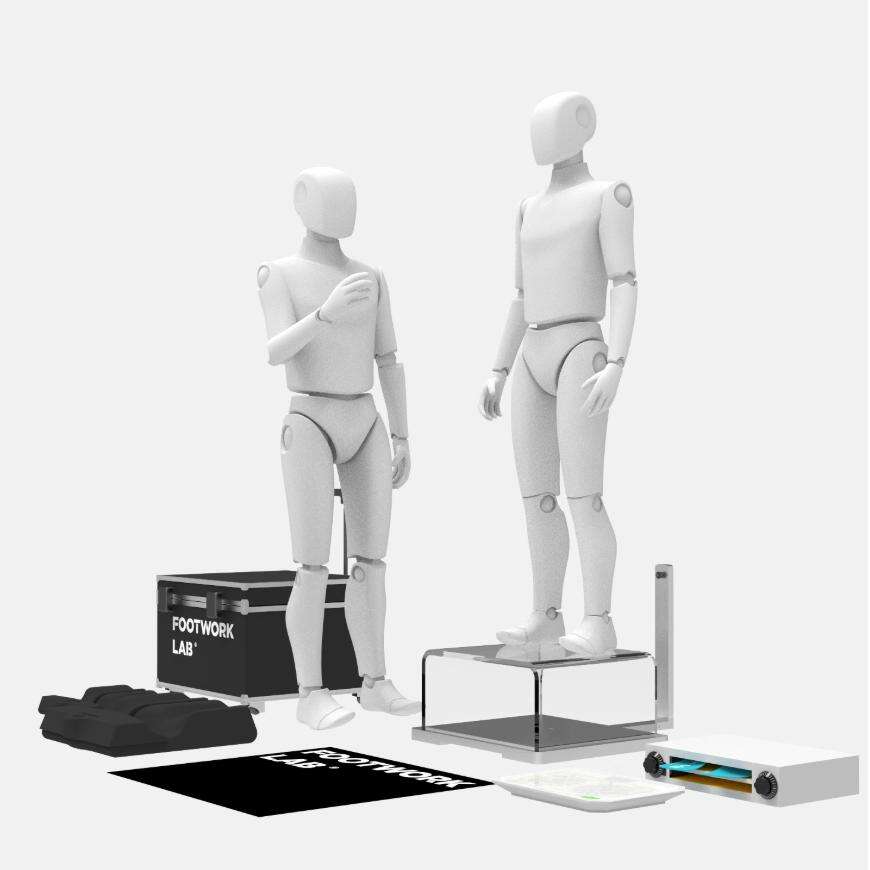
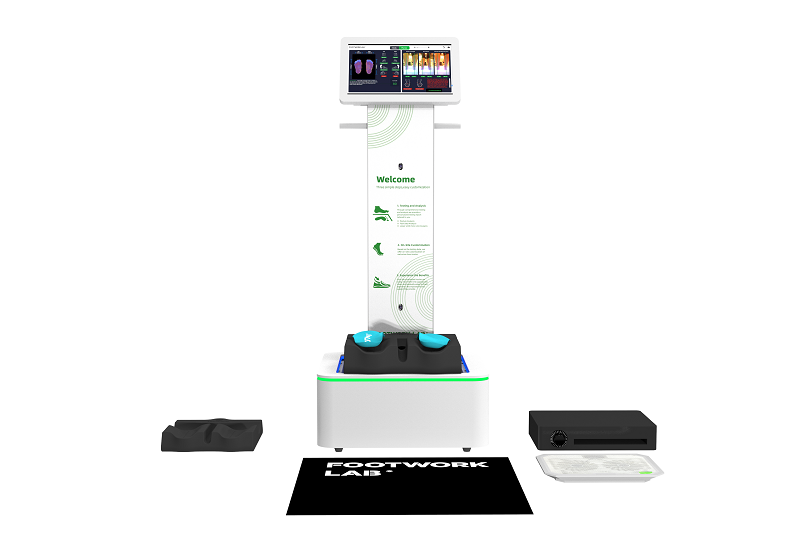
Plantar pressure is a specific aspect of foot pressure that we focus on. Through our plantar scanner and pressure plate, we can accurately measure plantar pressure. This measurement is vital for understanding the function and health of the foot, especially the sole area. The plantar pressure data is used for in - depth plantar pressure analysis, which helps in diagnosing foot problems such as flat feet, high arches, or uneven weight distribution. In our foot correction services, plantar pressure data plays a key role in designing customized foot orthotic insoles that can effectively correct foot problems and improve overall foot health. It is also an important part of our comprehensive foot detection and analysis system.
Get A Quote

Advantages

Targeted Sole Assessment

Focuses on pressure distribution in the plantar region, critical for evaluating conditions like Morton's neuroma, calluses, and diabetic foot ulcers with localized precision.

High-Resolution Sensor Array

Features a 4,096-sensor matrix in the plantar scanner, capturing pressure gradients as small as 0.1 kPa to identify subtle weight-shifting patterns indicative of early-stage foot pathologies.

Diabetic Foot Care Integration

Integrates with glucose monitoring systems to correlate blood sugar levels with plantar pressure fluctuations, aiding in proactive management of diabetic neuropathy and ulcer prevention.

Related products

Foot pressure or plantar pressure is the measurement of the impact made by the surface of the foot on the ground while the person is standing, walking, or running, in kilopascals (kPa). It is one of the main indicators of the biomechanical balance of the feet. It describes the heel’s structure and its functional aspects, like arch height and toe alignment. Effective shock absorption mechanisms, proper weight distribution, and well-functioning bones and joints are also essential to maintaining foot health. Typical values of plantar pressure are provided for the range of basic activities, including standing, walking, and running. Plantar pressure is equally shifted over the heel, midfoot, and forefoot, but the stance phases differ in their exact distribution. Concentrated pressure under the heel (indicative of plantar fasciitis) or medial forefoot overpronation can signal the need for intervention. Custom-made orthotics have become increasingly popular, particularly for diabetic patients. Custom orthotics are designed based on a person’s unique foot structure or shape. These devices also assist in monitoring the performance of an athlete's foot and diabetic foot risk. Proactive management of arthritis or neuropathy through timely treatment plan adjustments is required so pressure can be monitored more effectively.

Frequently Asked Questions

Why is plantar pressure measurement important?

Plantar pressure measurement is critical for evaluating foot health in the sole area, where conditions like Morton’s neuroma, calluses, and diabetic foot ulcers often originate. It provides localized insights to design targeted interventions, such as pressure-relieving insoles.
Plantar pressure is measured using specialized plantar scanners with high-resolution sensor arrays (4,096 sensors/matrix) and pressure plates. These devices capture pressure gradients as small as 0.1 kPa, enabling precise detection of subtle foot issues.
Yes, plantar pressure data helps athletes optimize shoe design and training routines. By analyzing pressure distribution during running or jumping, athletes can identify inefficiencies, reduce injury risks, and enhance performance through customized footwear and insoles.
In diabetic patients, plantar pressure monitoring helps detect early signs of neuropathy or ulceration. By correlating pressure data with blood sugar levels, healthcare providers can implement proactive measures to prevent complications and improve foot health management.
In rehabilitation, plantar pressure data tracks progress after surgeries (e.g., bunionectomy) by monitoring weight-bearing changes. It guides therapists in adjusting rehabilitation plans to ensure safe and effective recovery, promoting proper foot function restoration.

Related Articles

Customer Reviews

Laura Gonzalez
Targeted Solution for Sole Pain

I suffered from Morton’s neuroma and tried multiple treatments without success. Plantar pressure analysis pinpointed the exact area of inflammation, and the team created a pressure-relieving insole that alleviated my pain within weeks. I’m back to walking and hiking comfortably.

Dr. David Smith
Helped My Post-Surgery Recovery

After bunion surgery, plantar pressure analysis guided my rehabilitation by monitoring how much weight I could safely put on my foot. The data ensured I progressed at the right pace, and my surgeon was impressed with the objective insights from FOOTWORK LAB.

Get a Free Quote

Our representative will contact you soon.
Email
Mobile/WhatsApp
Name
Company Name
Message
0/1000
Athletic Shoe Design Support

Athletic Shoe Design Support

Provides detailed plantar pressure maps for footwear designers to optimize midsole cushioning, arch support, and outsole traction patterns, enhancing both performance and comfort for athletes.